
In both Traditional Chinese Medicine and Western herbal medicine, viral illness is understood not as a single entity, but as a dynamic interaction between an external pathogen and the internal terrain of the individual.
Traditional Chinese Medicine views the conditions that Western medicine calls infections in terms of “perverse” influences originating from outside the body—described with the terms Wind, Heat, Dampness, and Toxic Heat (extreme Heat)—interacting with the Defensive Qi* and deeper constitutional reserves. Modern research, meanwhile, investigates how viruses infect the host organism, how they replicate within its cells, how they interact with the host’s immune system, the body’s physiological responses and how symptoms are produced.
The following ten herbs are either native to the West or widely available as culinary spices, and can be understood clearly through both Traditional Chinese Medicine and modern antiviral research.
[*Qi = vital energy.]
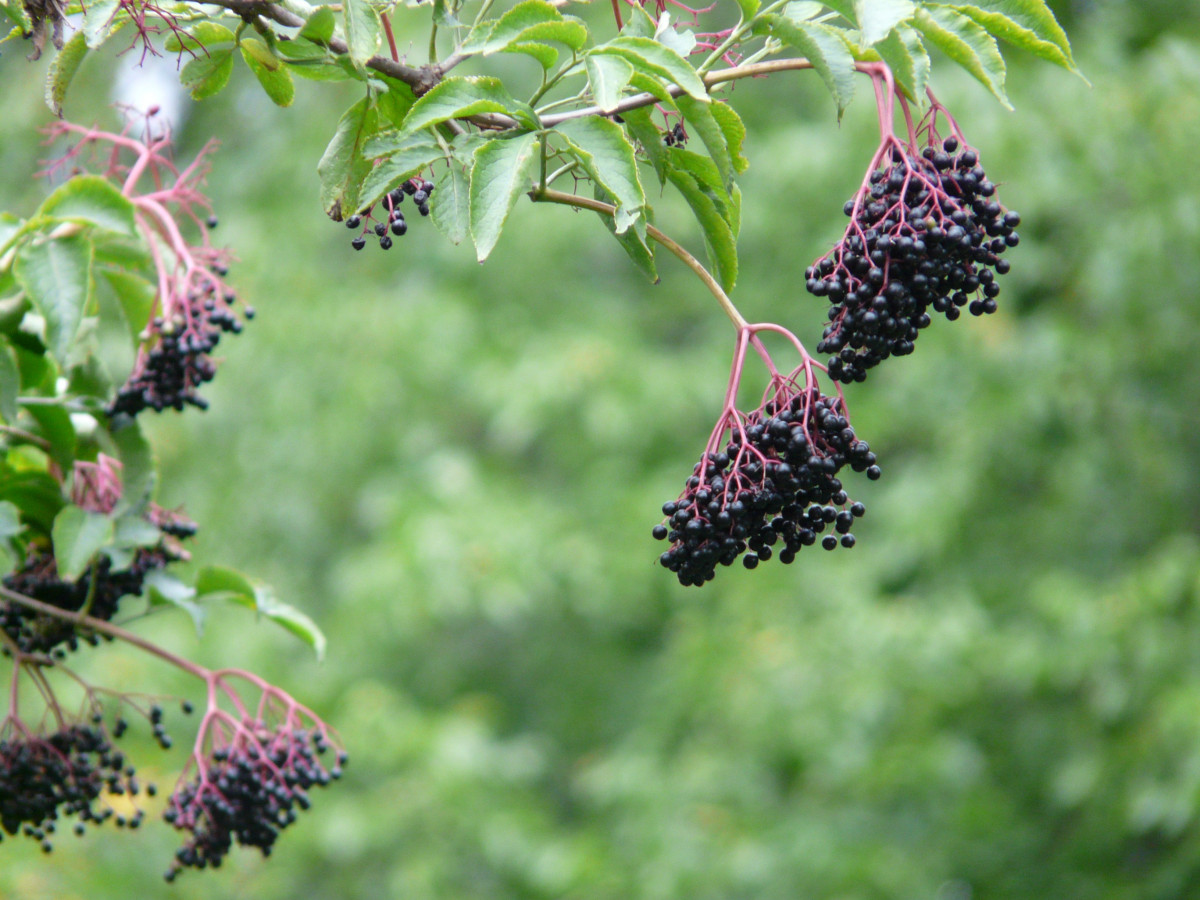
1. Elder Flower and Berry (Sambucus nigra)

Both the elder flowers and the berries have been traditionally used in the West in teas and syrups for seasonal wellness. A classic herbal remedy involves drinking a hot infusion of elder flowers (or berries) at the onset of a cold to induce a sweat and help speed up recovery.
Scientific studies suggest elderberry may inhibit viral attachment (particularly influenza viruses) to host cells and reduce symptom duration when taken early. While elderflower is well studied for anti-inflammatory, diaphoretic (sweat inducing), and symptomatic relief, it has less evidence for direct antiviral mechanisms.
From the Traditional Chinese Medicine (TCM) perspective, elderflower and elderberry are appropriate for different stages of an infection:
- Elderflower clears Wind-Heat from the body’s surface and is more appropriate in the early stages of illness.
- Elderberry clears Heat and Toxic Heat that has penetrated the interior of the body, and supports the body’s deeper energetic resources.
Cautions:
Avoid raw or unripe berries. Use cautiously in autoimmune conditions due to immune-stimulating effects.
2. Garlic (Allium sativum)
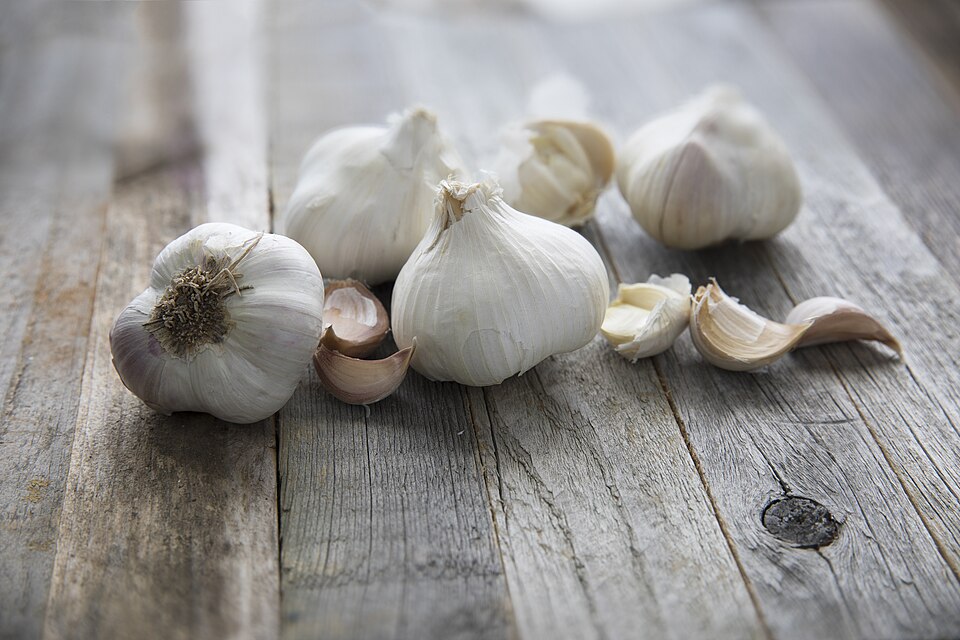
Modern research demonstrates broad-spectrum antiviral and immune-modulating effects, including enhanced natural killer cell activity.
In TCM, garlic is warming and dispersing, moving Qi and Blood, transforming Dampness, and counteracting Toxicity. In Traditional Chinese Medicine terms, it is particularly useful when Dampness and Heat combine, such as in lingering or recurrent infections.
Cautions:
May increase bleeding risk at higher doses; use caution with anticoagulant medication.
3. Oregano (Origanum vulgare)

Oregano contains carvacrol and thymol, compounds shown to have antiviral activity against several viruses. While culinary use is gentle, concentrated extracts are significantly stronger.
In TCM oregano is categorized as a cooling, pungent, slightly bitter herb that dispels Wind-Heat, clears inner Heat, circulates Qi and reduces Dampness. It is a strongly dispersing herb, useful for digestive or respiratory illnesses especially when the pathogens linger.
Cautions:
Concentrated extracts or essential oils may irritate the gastrointestinal tract. Avoid medicinal doses during pregnancy.
4. Thyme (Thymus vulgaris)

Modern herbalism recognises thyme for antiviral, antimicrobial, and expectorant actions, particularly in bronchial infections.
TCM considers thyme to Warm the Lung system, transform Phlegm, and support the downward movement of Lung Qi. In Traditional Chinese Medicine terms, it is useful when cold, damp conditions impair respiratory function.
Cautions:
Essential oil should not be taken internally without professional supervision.
5. Ginger (Zingiber officinale)
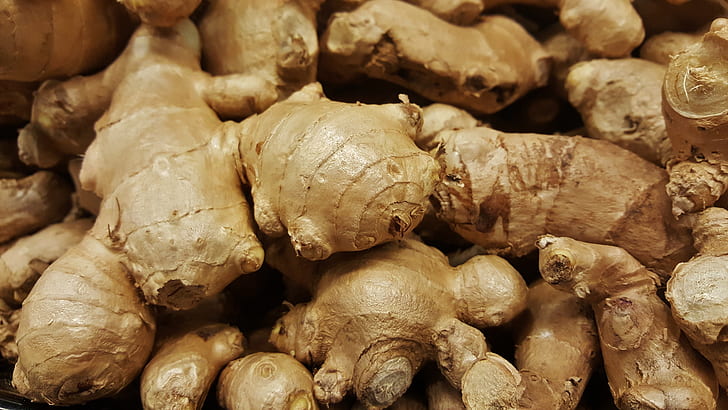
Modern research shows ginger may inhibit viral attachment while also reducing inflammation and improving circulation.
Fresh ginger is a classic Wind and Cold–releasing herb in TCM, supporting the Defensive Qi (immunity) and harmonising the digestion. It is particularly valuable at the very onset of infection.
Cautions:
High doses may aggravate reflux or increase bleeding tendency.
6. Licorice Root (Glycyrrhiza glabra)

Scientific studies identify significant antiviral and anti-inflammatory effects, including inhibition of viral replication.
Licorice is sweet, tonifying, and harmonising. In TCM it supports Spleen Qi, moistens the Lungs, clears Heat, and moderates the harsh properties of other herbs. It also has a long history of use for Toxic Heat conditions.
Cautions:
Avoid long-term or high-dose use in hypertension, low potassium, heart disease, or pregnancy.
7. Sage (Salvia officinalis)
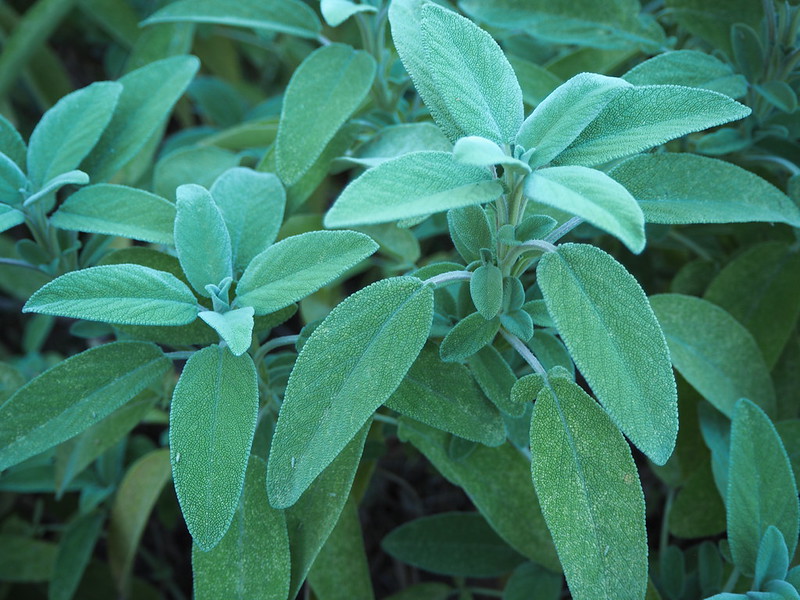
Modern research confirms its antiviral and antimicrobial activity, especially for oral and pharyngeal infections.
In TCM, sage clears Heat and resolves “toxicity” (acute inflammation) in the upper body, particularly affecting the throat and mouth. Its drying nature makes it useful when Dampness and Heat combine locally.
Cautions:
Not for long-term internal use. Avoid during pregnancy and in epilepsy.
8. Lemon Balm (Melissa officinalis)

Modern studies show strong antiviral activity against herpes-type viruses, alongside mild anxiolytic effects.
Lemon balm gently clears Heat while calming the Shen (mind). From a TCM perspective, it is especially useful where emotional stress contributes to viral recurrence, such as herpes flare-ups.
Cautions:
May interfere with thyroid medication; use cautiously in hypothyroidism.
9. Echinacea (Echinacea purpurea / angustifolia)
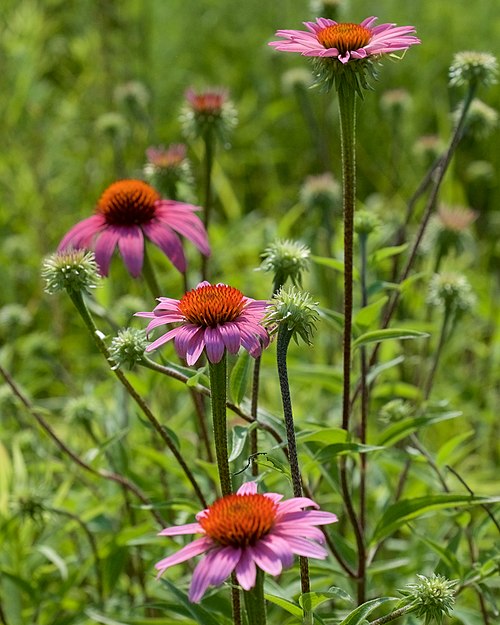
Modern evidence supports its immune-modulating role rather than direct viral killing.
Echinacea does not fit neatly into classical Traditional Chinese Medicine categories but functions similarly to herbs that support Defensive Qi (immunity) without deeply tonifying. It is best used short-term at the onset of acute infection.
Cautions:
Use cautiously in autoimmune conditions. Not intended for long-term continuous use.
10. Olive Leaf (Olea europaea)
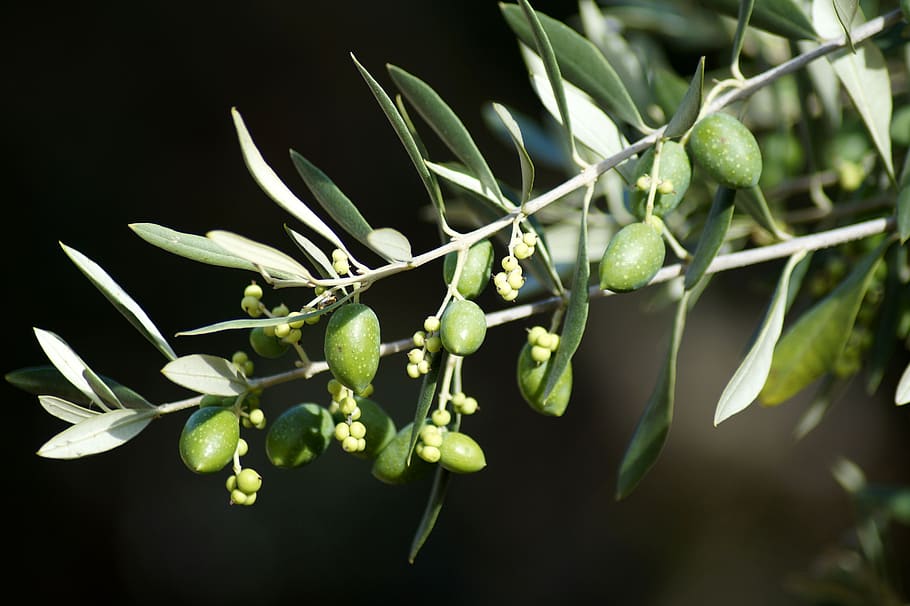
Modern research shows broad-spectrum antiviral activity and antioxidant effects.
Olive leaf clears Heat and Toxicity and mildly dries Dampness, making it particularly suitable for chronic low-grade infections or post-viral states. Its Mediterranean use parallels Traditional Chinese Medicine strategies for lingering pathogens.
Cautions:
May lower blood pressure or blood sugar; use caution alongside related medications.
Use
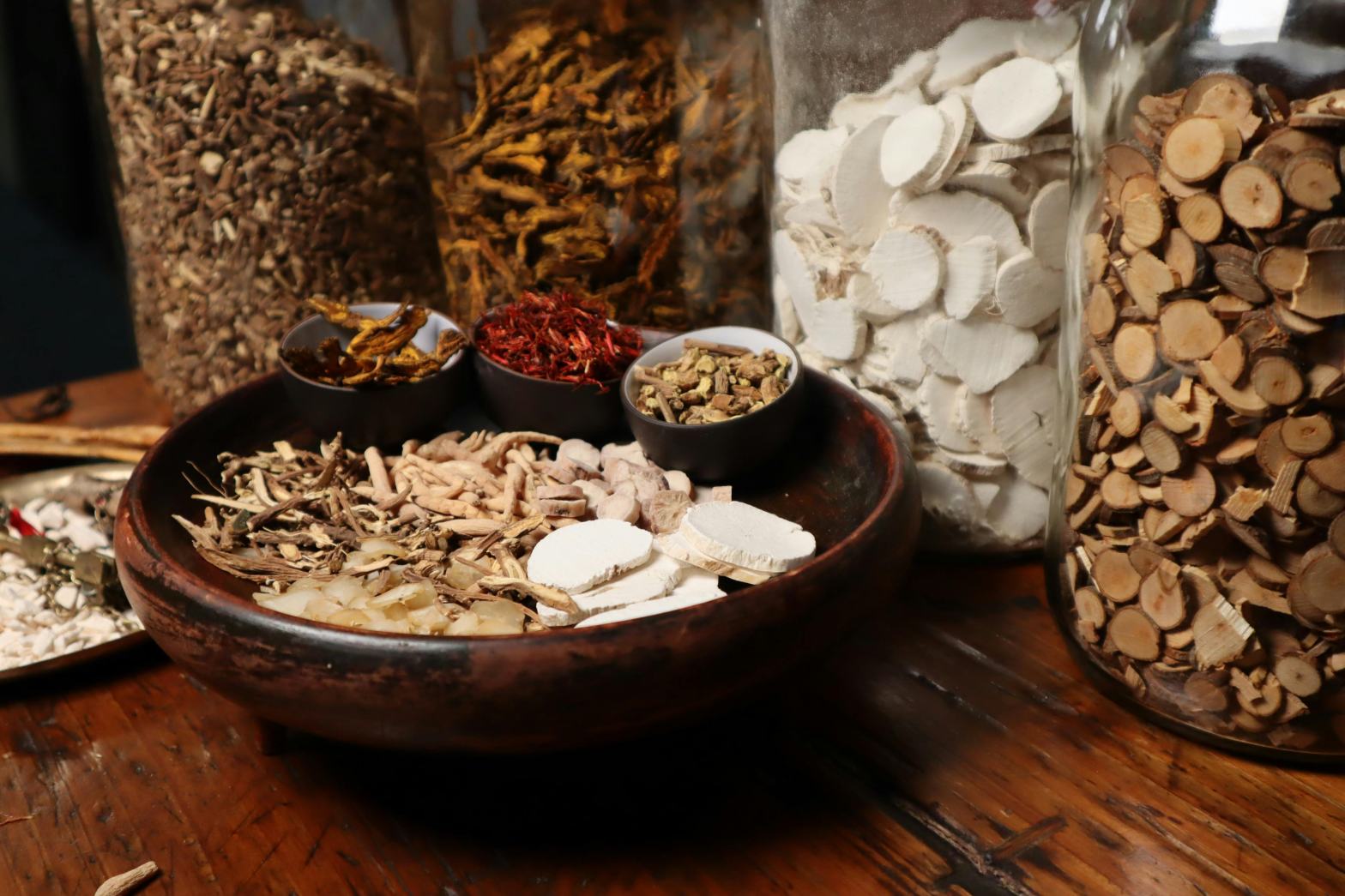
Most of the above herbs may be used simply by making a tea by infusing the fresh or dried herb. Ginger needs to be thinly sliced for this. Licorice root, being hard, will need to be boiled for 15 minutes. Garlic cloves are best just swallowed raw, but they need to be crushed first to activate the medicinally active compound allicin. This can be followed up with the juice of half a lemon, to take away the taste in the mouth and the odour on the breath!
Disclaimer
This article is for educational purposes only and does not constitute medical advice. Medicinal plants may interact with medications or be inappropriate for certain health conditions. Consult a qualified healthcare practitioner before therapeutic use.
Images
- Elderberries: Royalty-free image of Elderberry from Pxhere.com.
- Elderflowers: By Trish Steel, CC BY-SA 2.0 https://creativecommons.org/licenses/by-sa/2.0, via Wikimedia Commons.
- Garlic: By Kjokkenutstyr, CC BY-SA 4.0 https://creativecommons.org/licenses/by-sa/4.0, via Wikimedia Commons.
- Oregano: By Garitzko, Public domain, via Wikimedia Commons.
- Thyme: By cookbookman17, CC BY 2.0, via Flickr.
- Ginger: Royalty-free image from Pickpik.com.
- Licorice Root: Royalty-free image from Hippopx.com.
- Sage: By Teresa Grau Ros, CC BY-SA 2.0, via Flickr.
- Lemon Balm: By Jamain, CC BY-SA 3.0 https://creativecommons.org/licenses/by-sa/3.0, undefined.
- Echinacea purpurea: By Eric Hunt, CC BY-SA 4.0 https://creativecommons.org/licenses/by-sa/4.0, via Wikimedia Commons.
- Olive branch showing leaves and fruit: Royalty-free image from Hippopx.com.
 Robert Hale Herbalist