
The Lamiaceae—the mint family—includes many of the Mediterranean’s most familiar medicinal and culinary plants: thyme, oregano, rosemary, sage, lavender, mint, basil and marjoram. Their success in sun-baked, rocky landscapes is inseparable from their fragrance: the volatile oils that scent the air also help protect the plants against drought and heat by reducing oxidative damage, stabilising cell membranes and participating in stress signalling. (1, 19, 20, 24)
A family built for the Mediterranean
Lamiaceae species are especially abundant in the Mediterranean Basin, where they occupy coastal scrub, mountain slopes, dry grassland and poor, stony soils. Genera such as Thymus, Origanum, Salvia, Rosmarinus (now often treated as Salvia), Lavandula and Mentha are central to both local food traditions and herbal medicine. (1)
Their Mediterranean adaptations are highly practical:
- Small, tough leaves: many species have narrow, rigid or resinous leaves with a thick cuticle, reducing water loss under intense summer sun. Rosemary is a classic example of this “sclerophyllous” leaf form. (8)
- Dense glandular hairs: aromatic hairs on the leaf surface hold and release volatile compounds, while also helping to limit transpiration and deter feeding insects. (8, 12)
- Deep or efficient roots: thyme and related species can shift growth toward roots, improving water uptake while limiting above-ground growth during drought. (10)
- Stomatal control: plants close or regulate stomata to conserve water, while maintaining photosynthesis as far as possible. (10, 19)
- Fire and disturbance resilience: some Mediterranean Lamiaceae regenerate from protected buds or abundant seed after fire, a recurring ecological pressure in the region. (8)
This is why rosemary and oregano can remain productive in water-limited habitats: in one comparative study, both maintained around 97–106% of their essential-oil yield under moderate drought, while reducing biomass only modestly. (5, 6, 30)
Why they smell so strongly
The characteristic aroma of Lamiaceae comes mainly from volatile oils, also called essential oils. These are complex mixtures of small, volatile molecules—especially terpenes and phenolic compounds such as menthol, thymol, carvacrol, 1,8-cineole, linalool, camphor and borneol. (12, 13)
These oils are produced in specialised glandular trichomes, tiny secretory structures on leaves, stems and flowers. Their volatility is the point: the compounds evaporate readily, creating scent in the surrounding air. From the plant’s perspective, this is not simply perfume. Volatile compounds can:
- Repel or confuse herbivorous insects.
- Attract pollinators.
- Inhibit competing plants.
- Protect tissues against bacteria and fungi.
- Help the plant cope with oxidative and environmental stress. (12, 13, 19, 20)
Mediterranean conditions may intensify this chemistry. Moderate drought can alter essential-oil composition and, in some species, increase the concentration of particular terpenes; however, severe water stress eventually reduces both growth and oil yield. (9, 13, 24) Thus, the strong scent of wild thyme on a hot Greek hillside reflects both genetic identity and ecological pressure.
Volatile oils in herbal medicine
In herbal practice, Lamiaceae plants are used as dried herbs, infused teas, tinctures, syrups, poultices and—more cautiously—as essential oils. Their volatile constituents are central to several traditional actions, but concentration matters greatly: a gentle infusion and an undiluted essential oil are not therapeutically equivalent.
Antimicrobial action
Many Lamiaceae have traditional and laboratory-supported antimicrobial activity. Essential oils rich in thymol and carvacrol—as in thyme and oregano—have shown particularly strong antimicrobial effects in research settings. (4, 2, 7)
These actions are relevant to:
- Topical antiseptic use for minor skin or mucosal problems.
- Oral and respiratory preparations, where herbs such as thyme and sage have long been used for sore throat, cough and mouth infections.
- Food preservation and gastrointestinal microbial balance. (2, 4, 7)
The important qualification is that in-vitro antimicrobial activity does not automatically equal clinical effectiveness against a specific infection. Essential oils can be potent irritants and should not replace conventional treatment for serious, persistent or systemic infections. Their best role is often as supportive, topical or traditional preparations, used with appropriate professional judgement. (2, 7)
Nervines and relaxation
Several Lamiaceae are classic nervines—plants traditionally used to calm or support the nervous system. Lavender is the best-known example: its aroma and extracts have been widely studied for anxiety, sleep quality and relaxation. (15)
Other examples include:
- Lemon balm (Melissa officinalis), traditionally used for mild tension, restlessness and digestive discomfort associated with stress.
- Lavender (Lavandula angustifolia), used as tea, tincture, aromatic preparation or topical oil in appropriate dilution.
- Rosemary and sage, which have more stimulating and clarifying traditional reputations, in contrast with the more sedative lavender and lemon balm. (7, 15)
The nervous and digestive systems are closely linked. A plant that relaxes tension may also ease a tense, spasmodic abdomen—one reason Lamiaceae so often appear in formulas for stress-related digestive complaints.
Digestive stimulants and carminatives
Lamiaceae are among the most important digestive herbs in European and Mediterranean herbalism. Many are aromatic, warming or cooling bitter-aromatics that stimulate appetite, ease fullness and reduce gas. A survey of traditional Lamiaceae use found gastrointestinal disorders and microbial infections among the principal medicinal applications. (4)
Common digestive uses include:
- Peppermint (Mentha × piperita) for spasmodic digestive pain and irritable-bowel-type symptoms; peppermint oil is among the better-studied phytotherapeutic options for IBS. (15)
- Thyme and oregano for sluggish digestion, fermentation and microbial imbalance, usually in food-level or diluted preparations.
- Rosemary and sage as aromatic bitters and circulatory stimulants, traditionally used before or after heavy meals.
- Basil, marjoram and mint as gentle culinary medicines that make food more digestible while contributing antimicrobial and carminative activity. (4, 7, 15)
Safety and sensible use
The same chemistry that makes these plants useful can make concentrated preparations problematic. Essential oils are highly concentrated and should not be taken internally without qualified guidance; they can irritate mucous membranes, interact with medicines and cause adverse effects in sensitive people. (2, 7)
For everyday practice, infused teas and culinary quantities are generally the gentlest way to use the family. Stronger extracts, alcohol-based tinctures and essential oils require attention to dose, duration, pregnancy, childhood, epilepsy, hypertension, liver disease and concurrent medication.
The essence of the family
The Lamiaceae embody a Mediterranean herbal pattern: aromatic, resilient, sun-loving plants that turn ecological stress into chemical richness. Their volatile oils protect the plant in the landscape and, in carefully chosen preparations, offer humans antimicrobial, nervine and digestive support. For anyone working with Mediterranean medicinal flora, this family is not merely a collection of kitchen herbs—it is a coherent ecological and therapeutic group. (1, 4, 15)
References
- Phylogenetic Perspectives and Ethnobotanical Insights on Wild Edible Plants of the Mediterranean, Middle East, and North Africa. Foods.
- Development of Probiotic Candidate in Combination with Essential Oils from Medicinal Plant and Their Effect on Enteric Pathogens: A Review. Evidence-Based Complementary and Alternative Medicine, 2012.
- Analysis of the Antioxidant and Antimicrobial Activity, Cytotoxic, and Anti-Migratory Properties of the Essential Oils Obtained from Cultivated Medicinal Lamiaceae Species. PubMed, 2025.
- Report on the Medicinal Use of Eleven Lamiaceae Species in Lebanon. Evidence-Based Complementary and Alternative Medicine, 2016.
- Multidimensional Assessment of Drought and Salinity Tolerance in Six Lamiaceae Species from the Mediterranean Basin (El Tarf, Algeria): Ecological and Agronomic Implications under Climate Change. Ethnobotany Research and Applications, 2025.
- Multidimensional Assessment of Drought and Salinity Tolerance in Six Lamiaceae Species from the Mediterranean Basin (PDF). Ethnobotany Research and Applications.
- Chemical composition, antibacterial and antioxidant activities of some Lamiaceae essential oils. Journal of King Saud University – Science, 2024.
- Rosmarinus officinalis. Oxford University Plants 400.
- Mild abiotic stresses improve essential oils yield and quality. Università di Catania institutional repository.
- Morphological and Physiological Plant Responses to Drought Stress in Thymus species. Hindawi / Wiley, 2016.
- Factors Affecting Essential Oil Production in Rosemary. CORE academic repository.
- Progress and Prospects in Breeding Research on Key Lamiaceae Species. SciPublish, 2026.
- How climate change-related abiotic factors affect the production of essential oils in Lamiaceae. Frontiers in Plant Science, 2024.
- Review: Essential oils, including lavender, and their antimicrobial and digestive-related properties. Università degli Studi di Bari institutional repository.
- The Lamiaceae family: A review of its medicinal properties. Journal of Medicinal Plants Studies, 2025.
- Research Progress in the Field of Microbial Mitigation of Plant Abiotic Stress. International Journal of Molecular Sciences, 2022.
- Drought modulates ozone stress through BVOCs, antioxidant defences, and metabolic responses. Planta, 2026.
- Amplification of early drought responses caused by volatile cues emitted from neighbouring tea plants. Horticulture Research, 2021.
- Responses and adaptations of plants to abiotic stress. PMC / NIH, 2026.
- Adaptive roles of plant secondary metabolites under drought stress. Discover Plants, 2026.
- Adaptive roles of plant secondary metabolites under drought stress (PDF). Discover Plants.
- The effects of bacterial volatile emissions on plant abiotic stress tolerance. Frontiers in Plant Science, 2015.
- Bacterial Volatile Organic Compounds as a Strategy to Increase Drought Tolerance in Maize. PubMed, 2024.
- Sustainable medicinal plant production: responses of Lamiaceae plants to organic acid elicitors spraying during environmental stress: A review. Plant Protection Science, 2025.
- The Role of Volatile Organic Compounds in Plant Resistance to Abiotic Stresses: Responses and Mechanisms. In Plant Signalling and Communication. Springer, 2013.
- Drought, stomatal conductance, carbon assimilation and secondary metabolite biosynthesis. Discover Plants, 2026.
- Plant Growth-Promoting Rhizobacteria Eliminate the Effect of Drought Stress. PubMed, 2022.
- Soil Microbiota and Rhizosphere Dynamics: Ecological Mechanisms of Volatile-Mediated Stress Tolerance. FEMS Microbiology Ecology / Wiley, 2026.
- Soil Microbiota and Rhizosphere Dynamics: Ecological Mechanisms of Volatile-Mediated Stress Tolerance (alternate access). Wiley, 2026.
- Multidimensional Assessment of Drought and Salinity Tolerance in Six Lamiaceae Species from the Mediterranean Basin (PDF). Ethnobotany Research and Applications.
Photos
Peppermint (Mentha piperita). Author: Sten Porse. Source: Wikimedia Commons. Licence: GNU Free Documentation License (https://www.gnu.org/licenses/fdl-1.3.html).
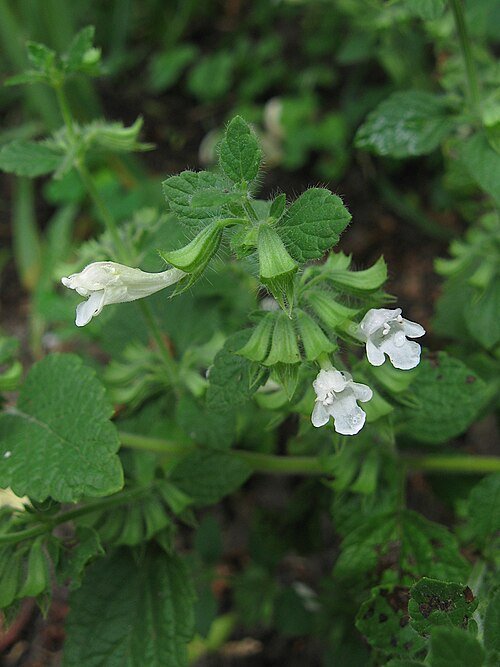
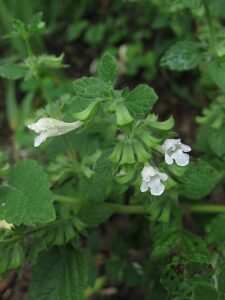
Lemom balm. Author: CBaile19. Source: Wikimedia Commons. Licence: CC0 1.0 Universal (https://creativecommons.org/publicdomain/zero/1.0/deed.es).
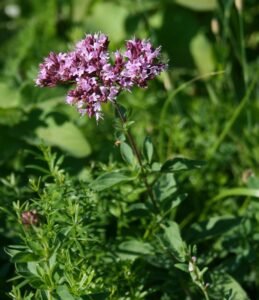
Oregano (Oreganum vulgare). Author: Franz Xaver. Source: Wikimedia Commons. Licence: CC BY-SA 3.0 (https://creativecommons.org/licenses/by-sa/3.0/deed.es).