Antiviral Medicinal Plants

In both Traditional Chinese Medicine and Western herbal medicine, viral illness is understood not as a single entity, but as a dynamic interaction between an external pathogen and the internal terrain of the individual.

Traditional Chinese Medicine views the conditions that Western medicine calls infections in terms of “perverse” influences originating from outside the body—described with the terms Wind, Heat, Dampness, and Toxic Heat (extreme Heat)—interacting with the Defensive Qi* and deeper constitutional reserves. Modern research, meanwhile, investigates how viruses infect the host organism, how they replicate within its cells, how they interact with the host’s immune system, the body’s physiological responses and how symptoms are produced.

The following ten herbs are either native to the West or widely available as culinary spices, and can be understood clearly through both Traditional Chinese Medicine and modern antiviral research.

[*Qi = vital energy.]


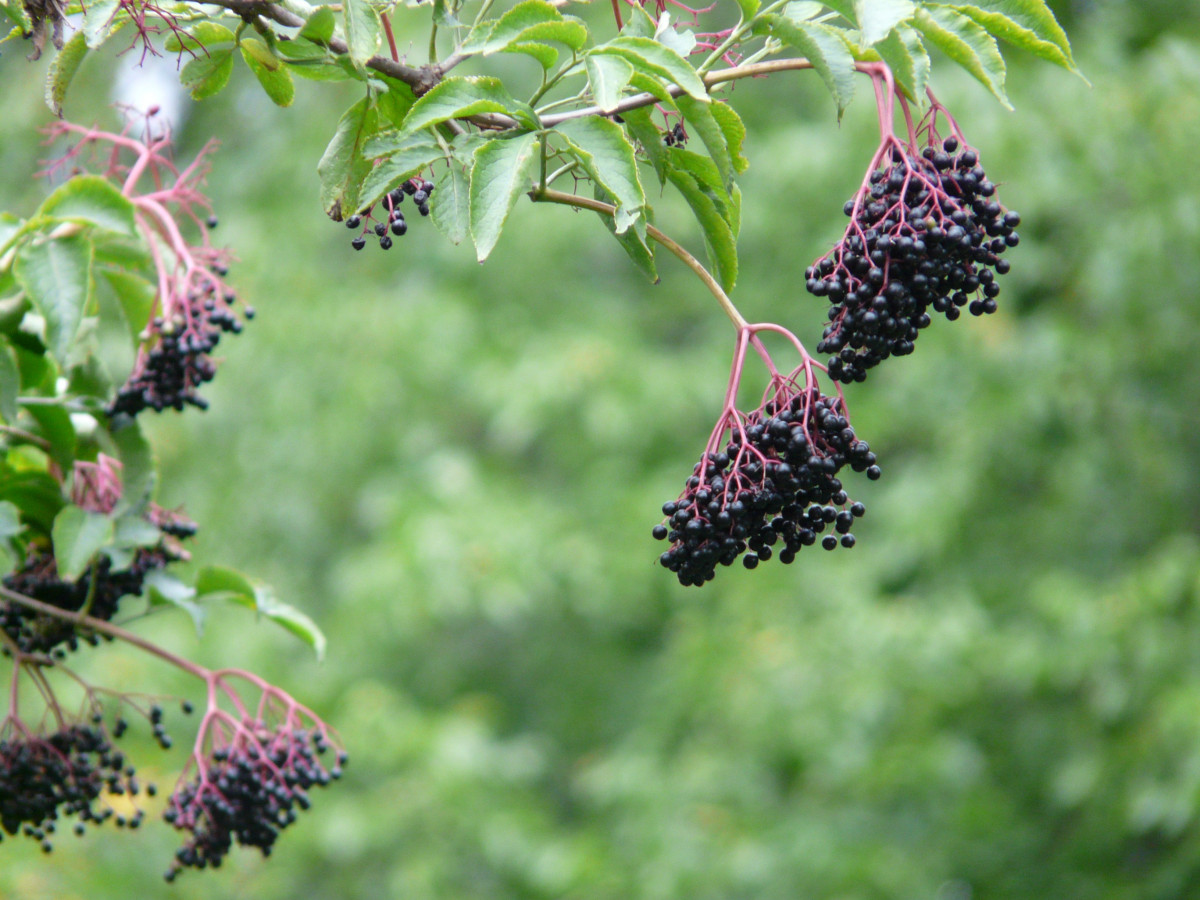
1. Elder Flower and Berry (Sambucus nigra)

Both the elder flowers and the berries have been traditionally used in the West in teas and syrups for seasonal wellness. A classic herbal remedy involves drinking a hot infusion of elder flowers (or berries) at the onset of a cold to induce a sweat and help speed up recovery. 

Scientific studies suggest elderberry may inhibit viral attachment (particularly influenza viruses) to host cells and reduce symptom duration when taken early. While elderflower is well studied for anti-inflammatory, diaphoretic (sweat inducing), and symptomatic relief, it has less evidence for direct antiviral mechanisms.

From the Traditional Chinese Medicine (TCM) perspective, elderflower and elderberry are appropriate for different stages of an infection:

  • Elderflower clears Wind-Heat from the body’s surface and is more appropriate in the early stages of illness.
  • Elderberry clears Heat and Toxic Heat that has penetrated the interior of the body, and supports the body’s deeper energetic resources.

Cautions:
Avoid raw or unripe berries. Use cautiously in autoimmune conditions due to immune-stimulating effects.


2. Garlic (Allium sativum)
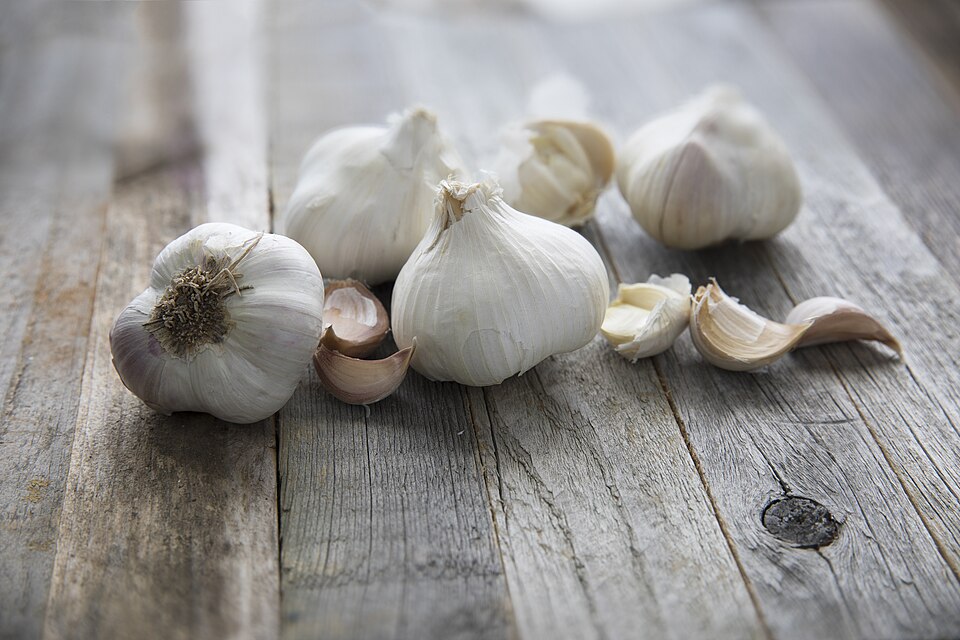
Modern research demonstrates broad-spectrum antiviral and immune-modulating effects, including enhanced natural killer cell activity.

In TCM, garlic is warming and dispersing, moving Qi and Blood, transforming Dampness, and counteracting Toxicity. In Traditional Chinese Medicine terms, it is particularly useful when Dampness and Heat combine, such as in lingering or recurrent infections.

Cautions:
May increase bleeding risk at higher doses; use caution with anticoagulant medication.


3. Oregano (Origanum vulgare)

Oregano contains carvacrol and thymol, compounds shown to have antiviral activity against several viruses. While culinary use is gentle, concentrated extracts are significantly stronger.

In TCM oregano is categorized as a cooling, pungent, slightly bitter herb that dispels Wind-Heat, clears inner Heat, circulates Qi and reduces Dampness. It is a strongly dispersing herb, useful for digestive or respiratory illnesses especially when the pathogens linger.

Cautions:
Concentrated extracts or essential oils may irritate the gastrointestinal tract. Avoid medicinal doses during pregnancy.


4. Thyme (Thymus vulgaris)

Modern herbalism recognises thyme for antiviral, antimicrobial, and expectorant actions, particularly in bronchial infections.

TCM considers thyme to Warm the Lung system, transform Phlegm, and support the downward movement of Lung Qi. In Traditional Chinese Medicine terms, it is useful when cold, damp conditions impair respiratory function.

Cautions:
Essential oil should not be taken internally without professional supervision.


5. Ginger (Zingiber officinale)
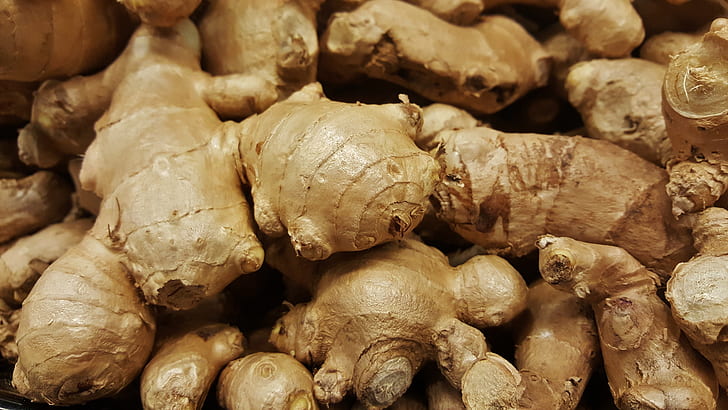
Modern research shows ginger may inhibit viral attachment while also reducing inflammation and improving circulation.

Fresh ginger is a classic Wind and Cold–releasing herb in TCM, supporting the Defensive Qi (immunity) and harmonising the digestion. It is particularly valuable at the very onset of infection.

Cautions:
High doses may aggravate reflux or increase bleeding tendency.


6. Licorice Root (Glycyrrhiza glabra)

Scientific studies identify significant antiviral and anti-inflammatory effects, including inhibition of viral replication.

Licorice is sweet, tonifying, and harmonising. In TCM it supports Spleen Qi, moistens the Lungs, clears Heat, and moderates the harsh properties of other herbs. It also has a long history of use for Toxic Heat conditions.

Cautions:
Avoid long-term or high-dose use in hypertension, low potassium, heart disease, or pregnancy.


7. Sage (Salvia officinalis)
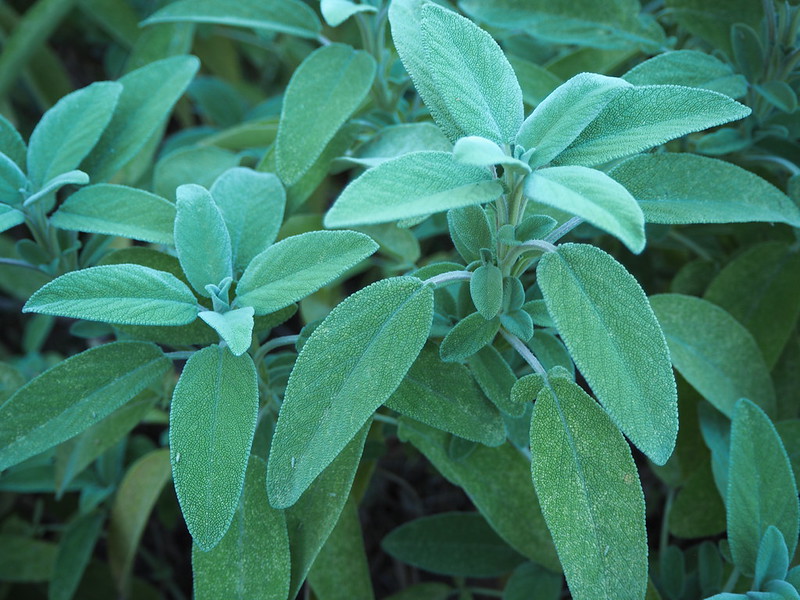
Modern research confirms its antiviral and antimicrobial activity, especially for oral and pharyngeal infections.

In TCM, sage clears Heat and resolves “toxicity” (acute inflammation) in the upper body, particularly affecting the throat and mouth. Its drying nature makes it useful when Dampness and Heat combine locally.

Cautions:
Not for long-term internal use. Avoid during pregnancy and in epilepsy.


8. Lemon Balm (Melissa officinalis)

Modern studies show strong antiviral activity against herpes-type viruses, alongside mild anxiolytic effects.

Lemon balm gently clears Heat while calming the Shen (mind). From a TCM perspective, it is especially useful where emotional stress contributes to viral recurrence, such as herpes flare-ups.

Cautions:
May interfere with thyroid medication; use cautiously in hypothyroidism.


9. Echinacea (Echinacea purpurea / angustifolia)
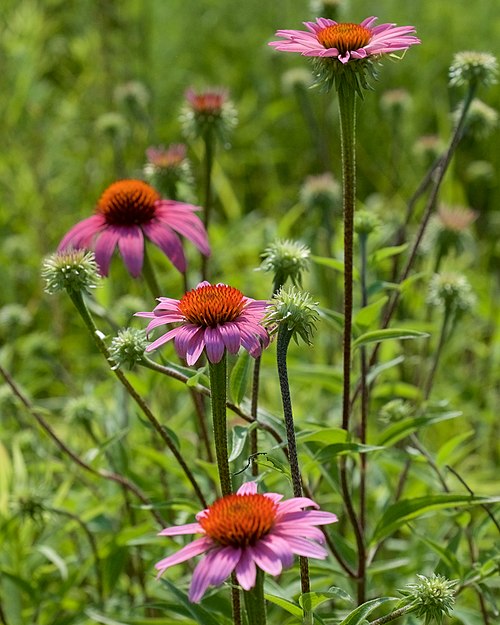
Modern evidence supports its immune-modulating role rather than direct viral killing.

Echinacea does not fit neatly into classical Traditional Chinese Medicine categories but functions similarly to herbs that support Defensive Qi (immunity) without deeply tonifying. It is best used short-term at the onset of acute infection.

Cautions:
Use cautiously in autoimmune conditions. Not intended for long-term continuous use.


10. Olive Leaf (Olea europaea)
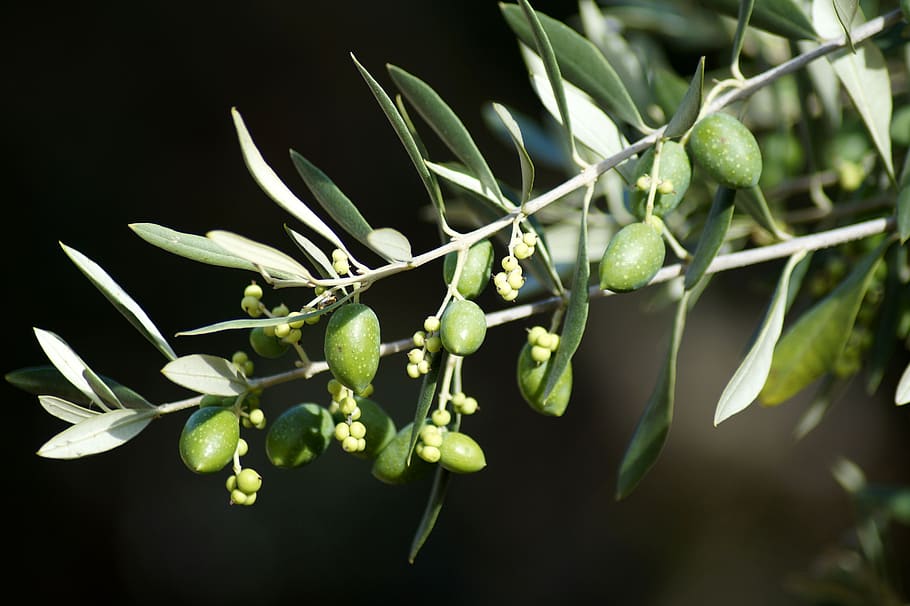
Modern research shows broad-spectrum antiviral activity and antioxidant effects.

Olive leaf clears Heat and Toxicity and mildly dries Dampness, making it particularly suitable for chronic low-grade infections or post-viral states. Its Mediterranean use parallels Traditional Chinese Medicine strategies for lingering pathogens.

Cautions:
May lower blood pressure or blood sugar; use caution alongside related medications.


Use

Most of the above herbs may be used simply by making a tea by infusing the fresh or dried herb. Ginger needs to be thinly sliced for this. Licorice root, being hard, will need to be boiled for 15 minutes. Garlic cloves are best just swallowed raw, but they need to be crushed first to activate the medicinally active compound allicin. This can be followed up with the juice of half a lemon, to take away the taste in the mouth and the odour on the breath!


Disclaimer

This article is for educational purposes only and does not constitute medical advice. Medicinal plants may interact with medications or be inappropriate for certain health conditions. Consult a qualified healthcare practitioner before therapeutic use.


Images

  1. Elderberries: Royalty-free image of Elderberry from Pxhere.com.
  2. Elderflowers: By Trish Steel, CC BY-SA 2.0 https://creativecommons.org/licenses/by-sa/2.0, via Wikimedia Commons.
  3. Garlic: By Kjokkenutstyr, CC BY-SA 4.0 https://creativecommons.org/licenses/by-sa/4.0, via Wikimedia Commons.
  4. Oregano: By Garitzko, Public domain, via Wikimedia Commons.
  5. Thyme: By cookbookman17, CC BY 2.0, via Flickr.
  6. Ginger: Royalty-free image from Pickpik.com.
  7. Licorice Root: Royalty-free image from Hippopx.com.
  8. Sage: By Teresa Grau Ros, CC BY-SA 2.0, via Flickr.
  9. Lemon Balm: By Jamain, CC BY-SA 3.0 https://creativecommons.org/licenses/by-sa/3.0, undefined.
  10. Echinacea purpurea: By Eric Hunt, CC BY-SA 4.0 https://creativecommons.org/licenses/by-sa/4.0, via Wikimedia Commons.
  11. Olive branch showing leaves and fruit: Royalty-free image from Hippopx.com.
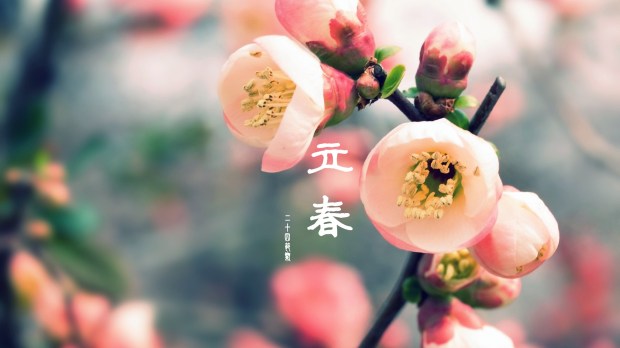
In Springtime, Support Your Liver!

In Chinese medicine, the start of spring is based on the traditional Chinese solar calendar, which divides the year into 24 solar terms. The first solar term is called Lìchūn (立春), meaning “Beginning of Spring.” This marks the official start of spring in TCM and typically occurs around February 3rd or 4th, depending on the year. It is calculated based on the position of the sun. Lìchūn reflects a shift in energy from winter’s deep Yin (rest, stillness) to the gradual emergence of Yang energy (growth, renewal). It aligns with nature’s rhythms, where seeds begin to stir underground, animals awaken, and life starts to regenerate.

In the body springtime corresponds to the liver. In other words the energy (Qi) of the liver is both more active and more vulnerable in spring, and the flow and economy of the body’s energy (Qi) is particularly influenced by the liver at this time of year.

In Chinese medicine the Liver is responsible for several functions including regulating the smooth flow of Qi in the body, storing and regulating the supply of blood, supporting digestion, nourishing the ligaments and tendons, maintaining the health of the eyes, supporting and regulating the menstrual cycle.

Green is the colour associated in Chinese medicine with springtime and with the the liver. The green in plants is the pigment chlorophyll, an extraordinary molecule that uses sunlight as energy to transform carbon dioxide in the air to sugar and oxygen. Sugar provides energy for the plant’s growth, repair and metabolism. Chlorophyll contains magnesium, so green leafy vegetables are important sources of this mineral in our diet. Magnesium is essential for metabolism, much of which occurs in the liver, and this ties in with the liver’s function of regulating the flow of Qi in Chinese medicine.

According to Chinese medicine liver imbalances may give a range of symptoms depending on the kind of imbalance and the organs that are most affected by it because of your constitution or because of the specific circumstances at the time.

However, typical “liver symptoms” (what I call “liveriness”) include shoulder, neck tension and jaw tension, clenching or grinding the teeth at night, tension headaches, dizziness, an unpleasant feeling of heat inside or being too hot, intolerance of hot stuffy environments, premenstrual syndrome, menstrual pain and irregularities, irritability, quick temper, anxiety, depression, mood swings, rib pain that shifts, red and ichy eyes, eye issues in general. Liver imbalances can also manifest as poor digestion with discomfort and bloating, high blood pressure, high cholesterol, chronic skin problems, allergies, food intolerance and sensitivities, fatigue and lethargy.

But remember: don’t self-diagnose! Remember that although all of these are common liver symptoms, many of them may be caused by other kinds of imbalances too.See a qualified practitioner of Chinese medicine.

Here are six great herbs used by Western herbalists to support this vital organ. There are many others and each is unique in its characteristics and uses. Medical herbalists choose the right herbs to suit the individual person and condition.

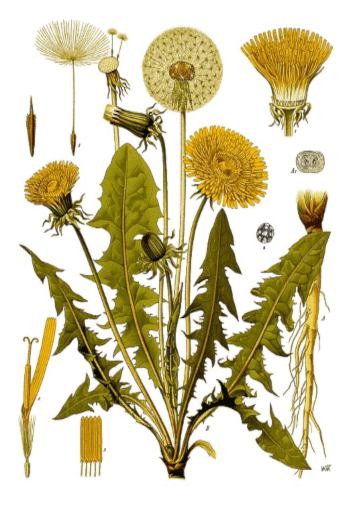
Dandelion: The root is used to support liver function, while the leaves are diuretic and a great addition to salads too!

Gentian: The root is very bitter and is a wonderful digestive stimulant.

Artichoke: The leaves, stem and roots are used in herbal medicine to improve digestion and reduce cholesterol.

Burdock: Burdock root is a general depurative working on the liver and kidneys to expel toxins.

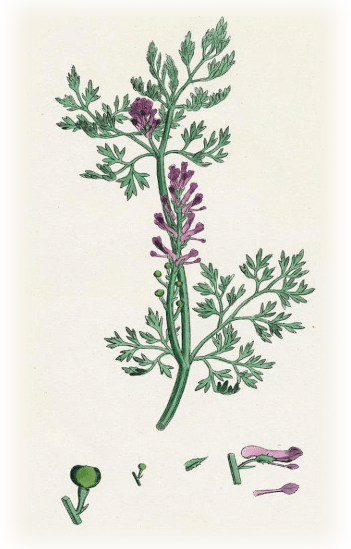
Fumitory: The above ground parts are used to treat issues arising from liver imbalances.

Milk Thistle: A liver tonic which protects the liver from toxins, including drugs used in cancer chemotherapy.

Traditional Chinese herbal medicine is great for liver imbalances! Traditional Chinese medicine never prescribes herbs singly, but in combination with other herbs that together make a balanced formula which treats a certain pattern of ill health. Over the past 3000 years a very large number of formulas have been developed in order to account for the many specific variations of the known disease patterns. Moreover, each formula can be varied by the practitioner by additions, subtractions, substitutions or modifications in the proportions of the different herbs.

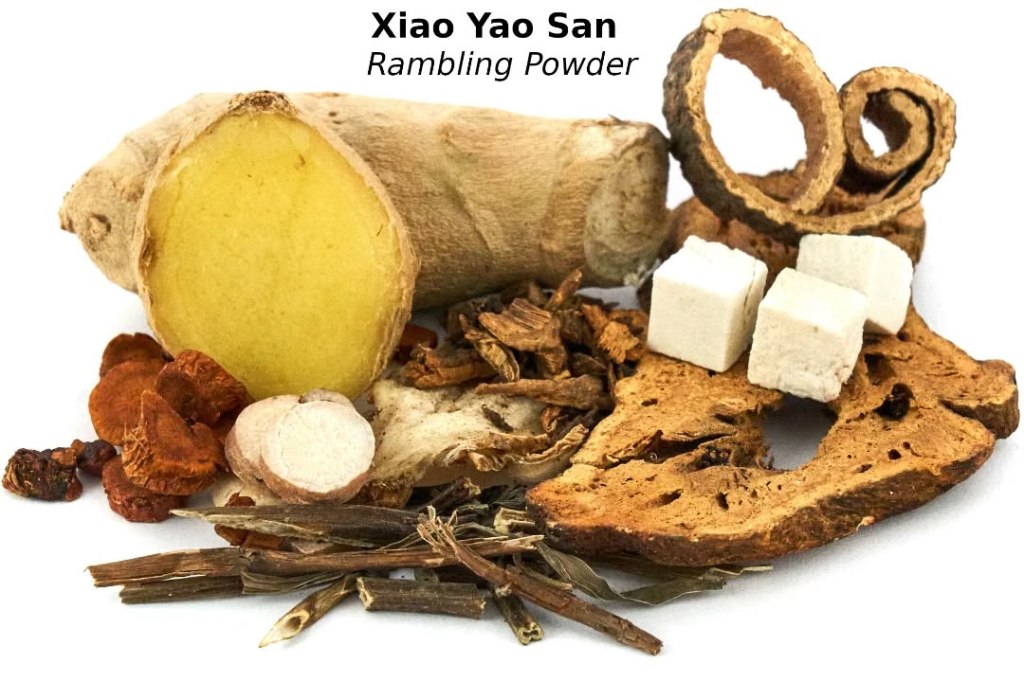
Here is an example. It is an eight-herb formula called Xiao Yao San, variously translated as “Rambling Powder”, “Leisure Powder”, “Free and Easy Wanderer Powder”. The formulas tend to have poetic names! But the names are appropriate. Xiao Yao San is the most commonly used formula for what Chinese medicine calls Liver Qi Stagnation, and treats patterns that include several of the following symptoms: Anger, irritability, frustration or depression; a general feeling of “stress”, tension or anxiety; distension, pressure, discomfort or pain in the chest, rib cage or upper abdomen; neck and shoulder tension; jaw tension, grinding of the teeth; distension, lumps or swellings in the breasts in women; premenstrual syndrome, dysmenorrhea; constipation and/or diarrhoea, bloating, gas, loss of appetite.


IMPORTANT: Never self-diagnose or self-prescribe Chinese herbal formulas!

With regard to lifestyle, the things listed below are generally beneficial to the liver.

  • Green Leafy Vegetables and Bitter Greens like kale, collards, chard, spinach, beet greens, bok choy, rucola, chicory, dandelion.
  • Sour Foods like sour dough rye bread, sauerkraut, pickles, tart apples, grapefruit, lemons. While these are generally tonifying to the liver in small quantities, in larger quantities they are harmful, especially in spring. (More on the seasonal aspect of diet below.)
  • Cooling Foods: Traditionally plums, watercress, celery, mung beans and tofu have been used to cool Liver Heat. However, in spring if there are no heat symptoms, mildly warming vegetables are indicated instead, to align with the seasons energies (see below).
  • Mindful Eating: Eat slowly, calmly, avoid eating when stressed.
  • Relaxation and de-stressing: Meditation, yoga, taichi, walking in nature, creative activities.
  • Physical Exercise: Sport, gym, hiking, etc.
  • Stretching: A regular muscle stretching routine.
  • Sleep: Adequate regular restful sleep.

And these are things that may harm the Liver:

  • Chronic stress and supressed or repressed emotion: tension, frustration, resentment, anger
  • Poor diet: excess fatty or spicy foods
  • Drugs: alcohol, caffeine, recreational drugs, many pharmaceuticals.
  • Poor sleep: shallow or broken sleep, frequently waking during night
  • Sedentary lifestyle: lack of physical activity, too much sitting.
  • Toxins: environmental pollutants and work-related toxins e.g. varnishes, solvents.
  • Overwork: physical or mental strain.
  • Wind: exposure to strong wind for too long can agitate liver Qi (energy), while cold wind can disrupt ts proper movement.

Of course this has to be interpreted with common sense. Moderate alcohol or coffee consumption isn’t going to kill you. Brief exposure to a brisk wind may be energising rather than harmful. Pharmaceuticals are not the work of the devil, and taking them is always a balance between risks and benefits.

In spring when the Qi energy of the liver is most active, we need to support it by being especially kind to our livers! So far as diet is concerned, one of the oldest texts on Chinese medicine, The Yellow Emperor’s Inner Canon: Basic Questions (The Huangdi Neijing Suwen) recommends aligning the diet with the seasons. In the spring eat foods that support the free flow of Qi and the upward, outward movement of energy characteristic of the season: light, fresh, and mildly warm foods (e.g., young greens, sprouts, leeks), especially those with sweet and slightly acrid flavors (e.g., carrots, fennel, ginger). Young greens and sprouts align perfectly with the upward, outward movement of spring. Avoid heavy, greasy, and overly salty foods, which can stagnate the rising energy of spring.

For good overall health, make sure you are kind to your liver in Springtime!


[The images used in this article are royalty-free.]

Unlock Onion Power against Winter Coughs and Colds!

Winter Coughs and Colds? Onions!

Don’t underestimate the humble onion!

🧅 Onions help decongest the airways and reduce persistent coughing.

🧅 The sulphur compounds in onions stimulate secretions, helping to remove congestion and unblock stuffy noses.

🧅 High in quercetin, onions boost immunity and reduce inflammation, combating flu, colds, and allergies naturally.

😉 Tip: Chop and onion and put the pieces in a sock, leave it on the bedside table to help clear your airways while you sleep. (Good for babies too!)

😉😉 Tip: Incorporating onions into your diet might give your immune system the extra kick it needs. Plus, they’re delicious in soups and stews – perfect for those chilly winter days!

😉😉😉 Tip: If you can bear it, eating raw onion is better for these health benefits!

🧅 Soothing Syrup: Try onion and honey syrup to relieve coughs and fight off viruses:

Onion and Honey Syrup

Ingredients
  • 2-3 medium onions (yellow or white recommended).
  • 2-3 cups raw, unfiltered honey.
  • Optional: 2-3 garlic cloves.
  • Optional: Fresh ginger or turmeric slices.
Method
  1. Peel and slice onions into thin half-moon shapes.
  2. Add to Jar: Place onion pieces in a clean jar.
  3. Cover with Honey: Pour honey to completely coat the onions.
  4. Infuse: Let sit for 8-12 hours at room temperature.
  5. Strain: Remove the syrup, discarding onion pieces.
  6. Take 4 dessert spoons (adults) or 3 teaspoons (children) during the day until the symptoms go away.

Consult your doctor if you are still experiencing symptoms after 10 days.