
Antiviral Medicinal Plants
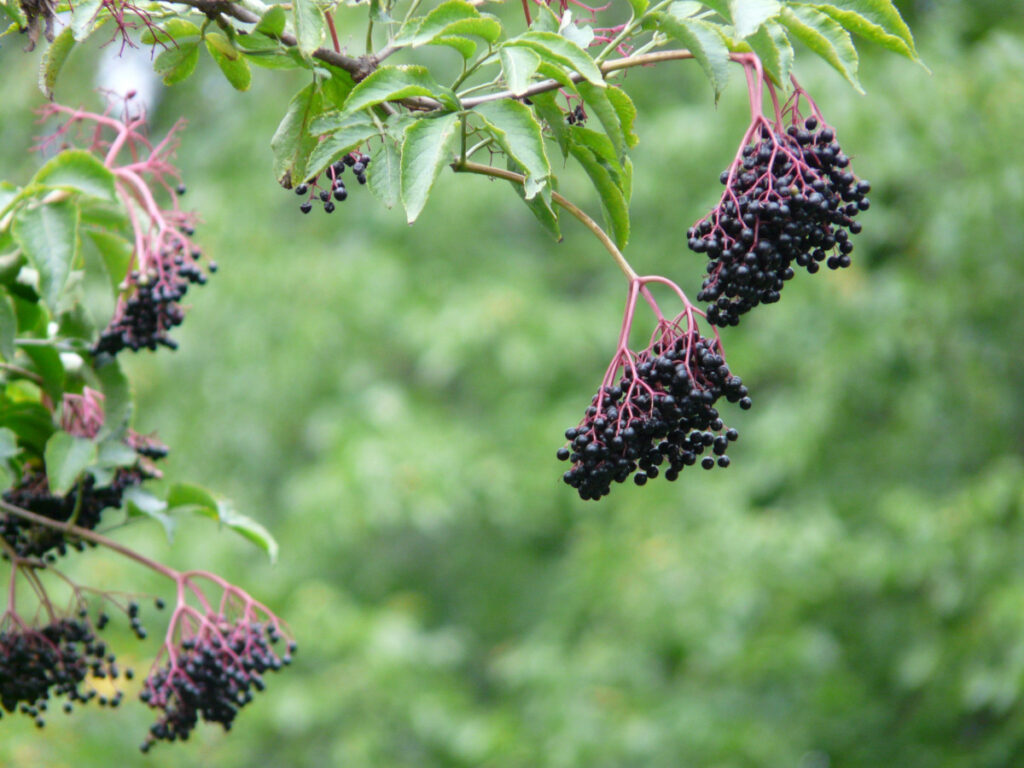
In both Traditional Chinese Medicine and Western herbal medicine, viral illness is understood not as a single entity, but as a dynamic interaction between an external pathogen and the internal terrain of the individual. Traditional Chinese Medicine views the conditions that Western medicine calls infections in terms of «perverse» influences originating from outside the body—described […]
Winter Tonics for Older People
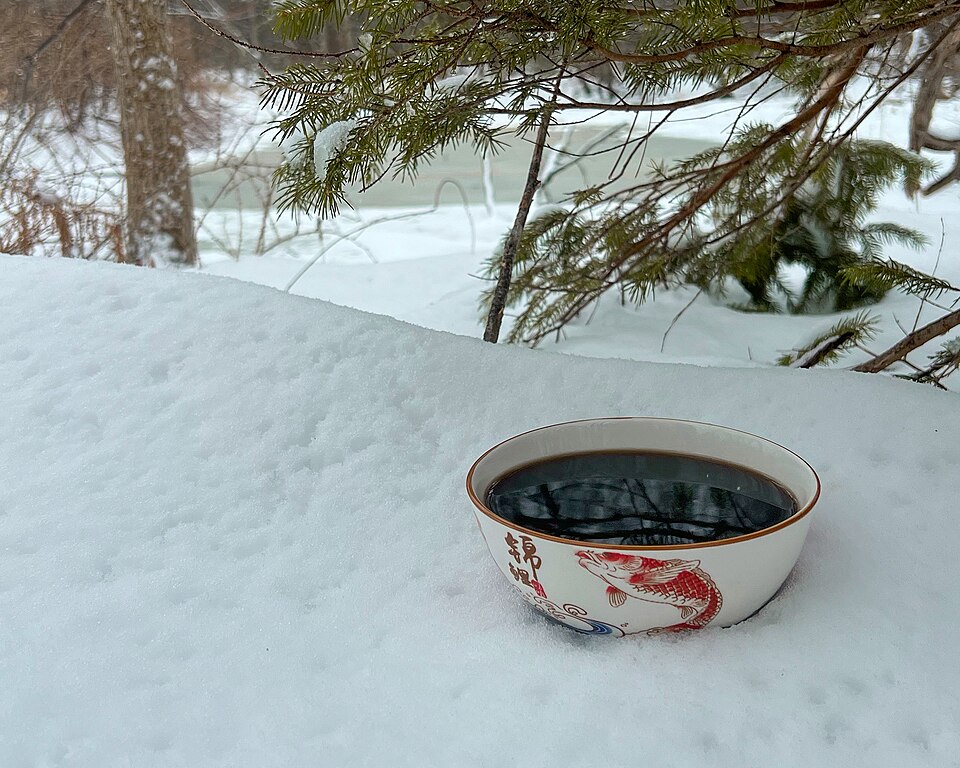
As we age, it is natural for our energy levels to decline. In Chinese medicine, this is explained by the concept of Kidney Essence—the fundamental reserve of vitality we are born with. This essence determines our capacity to generate energy from food and air, supporting growth, fertility, resistance to illness, and recovery from injury. Each […]
How Much Will My Herbs Cost?
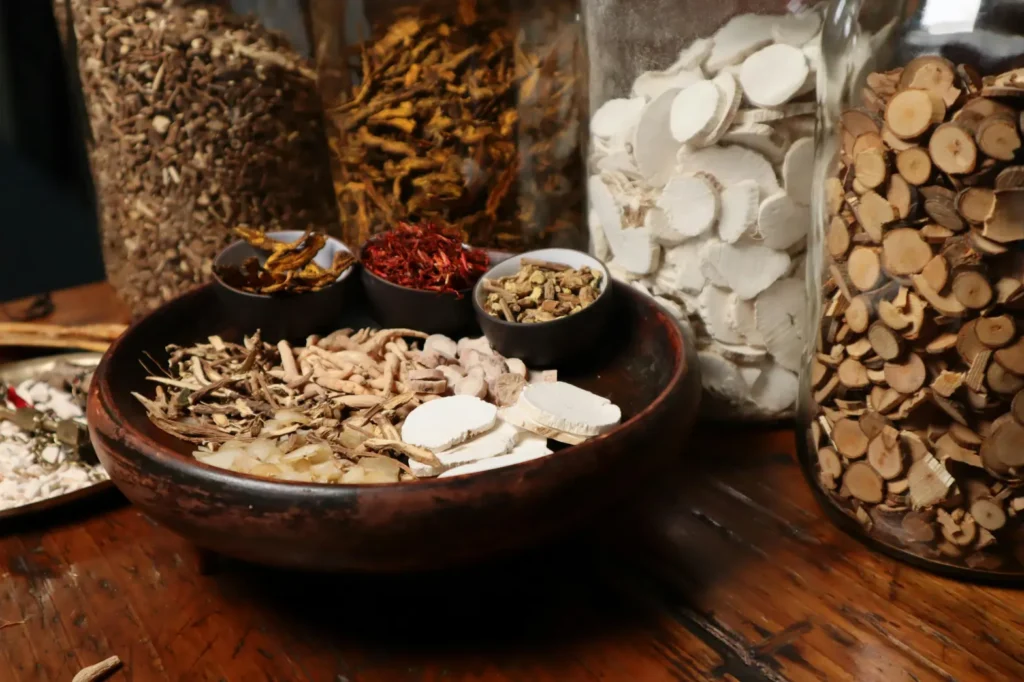
Many people considering undertaking treatment with Chinese herbal medicine ask me what the cost will be. It is obviously a reasonable question, but the answer is not simple for a variety of reasons: There are other considerations apart from cost. Making a tea from the dried herbs is the traditional way of taking herbs, and […]
Summer Time in Chinese Medicine
Summer is the time of Fire, maximum Yang, the Heart and spirit («Shen»), of joy and maximum vitality. But to stay healthy we must align with the seasons. If summer’s heat and activity become overwhelming, signs of imbalance can appear: • Anxiety, restlessness, poor sleep, insomnia. • Palpitations. • Excess sweating or feeling overheated. • […]
In Springtime, Support Your Liver!
In Chinese medicine, the start of spring is based on the traditional Chinese solar calendar, which divides the year into 24 solar terms. The first solar term is called Lìchūn (立春), meaning «Beginning of Spring.» This marks the official start of spring in TCM and typically occurs around February 3rd or 4th, depending on the […]
The Difference between Chinese and Modern Western Medicine
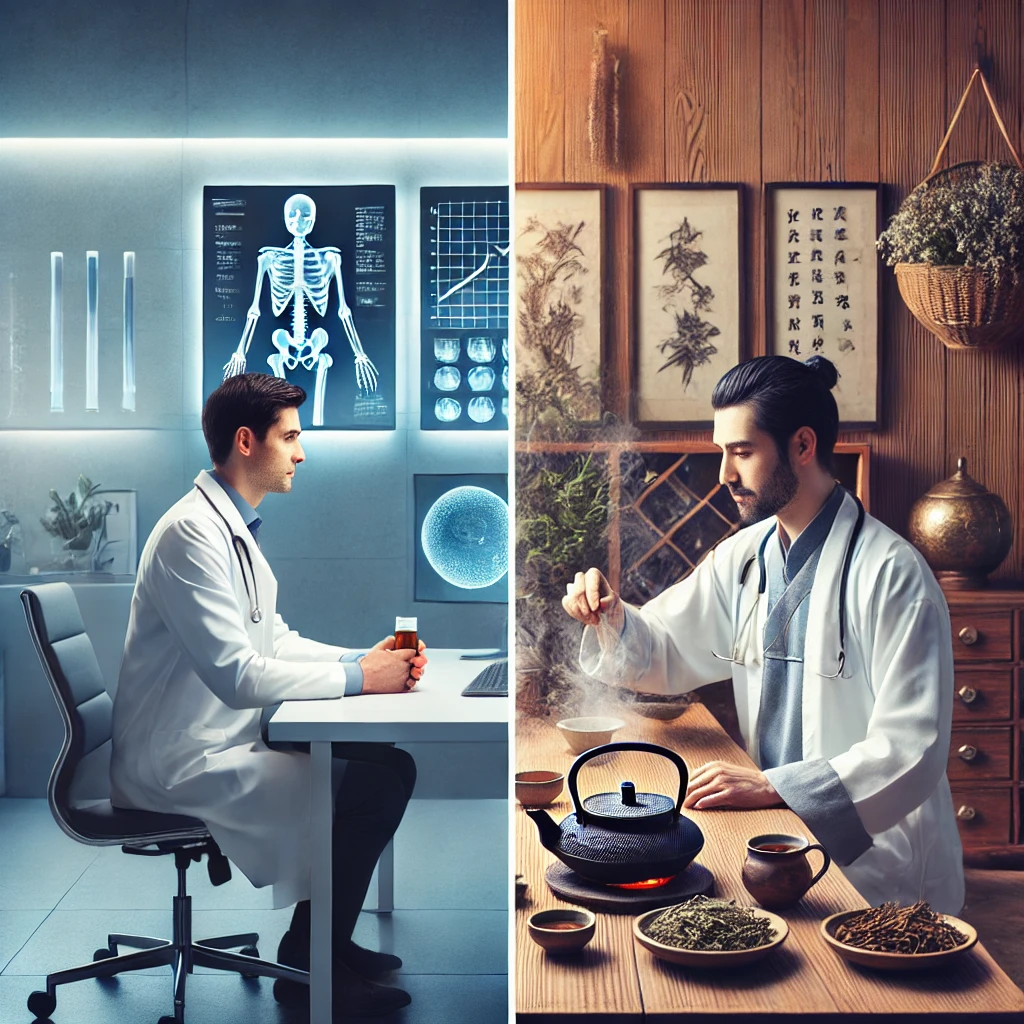
Chinese and modern Western medicine are very different in terms of how disease and ill-health are conceived and treated, and in terms of their relative advantages and disadvantages. I will attempt to describe these differences below, but I should point out that what follows is just my own understanding, and others may have other opinions. […]
The «EJiao» Problem
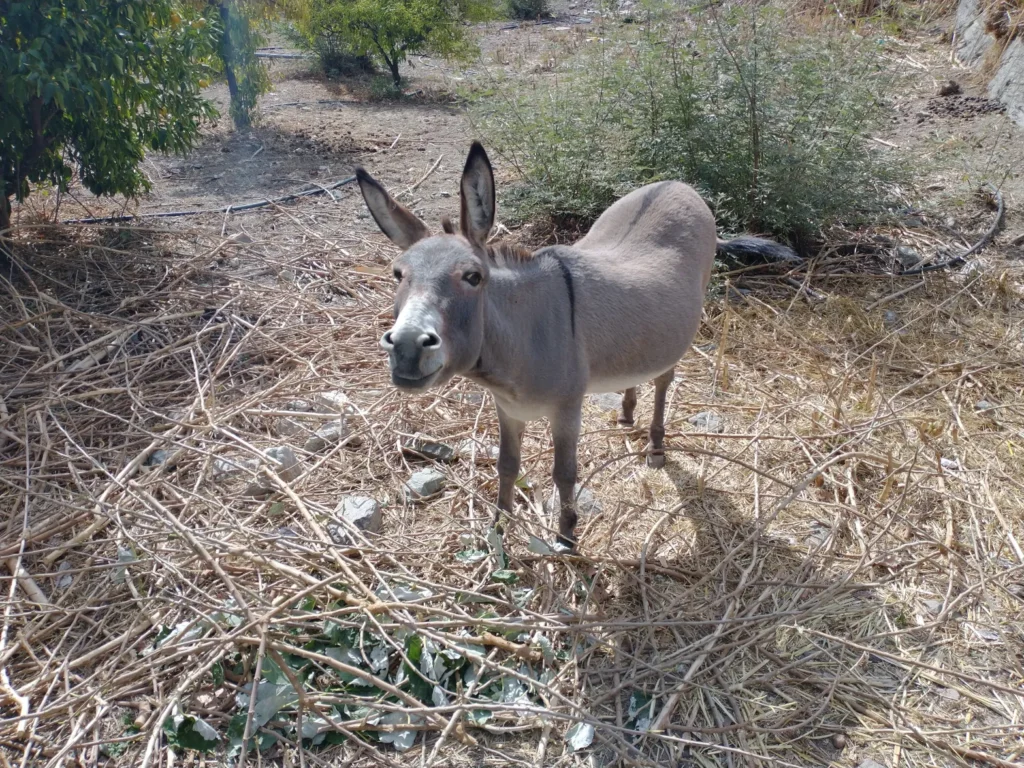
Chinese herbal medicine uses a very large number of remedies, mostly plant material but also including minerals and some animal products. All of these are conventionally, if somewhat illogically, termed «herbs» in Chinese medicine. Some of the animal medicines are problematic for animal welfare, environmental, biodiversity or socio-economic reasons. One such is EJiao – Donkey […]