
Different Kinds of Herbalism
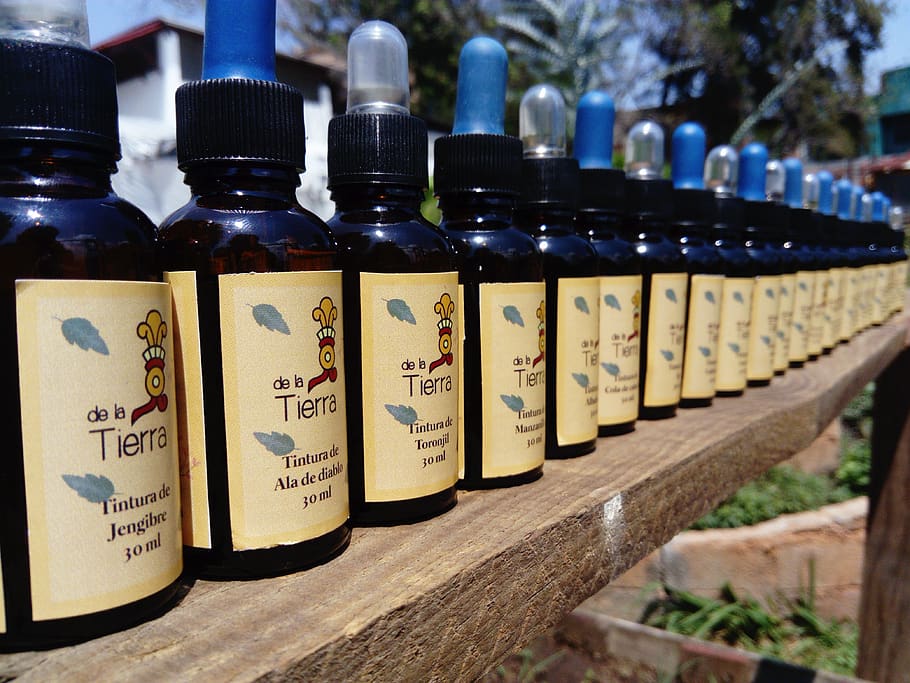
The use of plants as medicine is most probably, along with massage, one of the first kinds of medicine on the planet. The knowledge of medicinal plants and their uses would have been built up over generations through a process of observation, trial and error. In essence, that is science! Albeit of a very basic […]
Antiviral Medicinal Plants
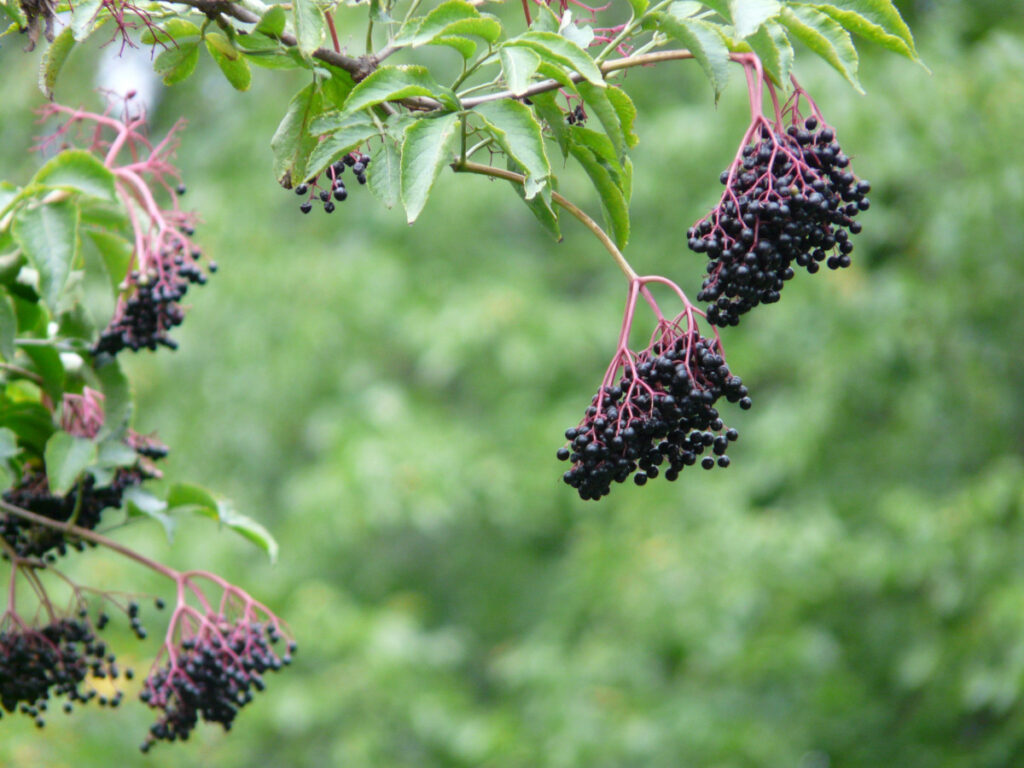
In both Traditional Chinese Medicine and Western herbal medicine, viral illness is understood not as a single entity, but as a dynamic interaction between an external pathogen and the internal terrain of the individual. Traditional Chinese Medicine views the conditions that Western medicine calls infections in terms of «perverse» influences originating from outside the body—described […]
Winter Tonics for Older People
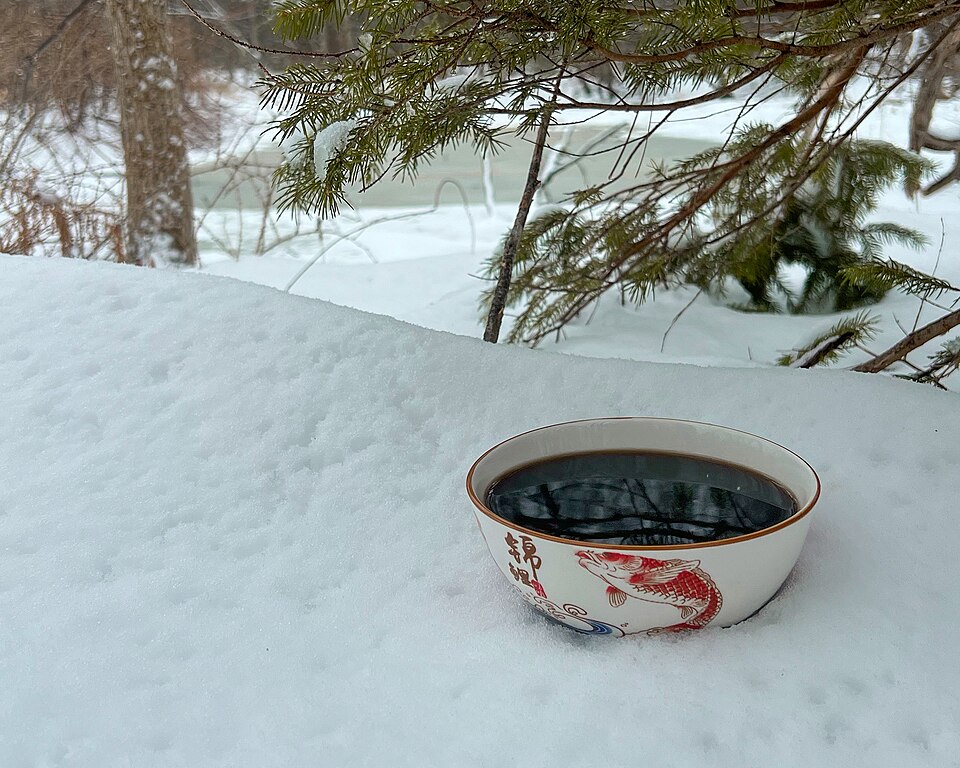
As we age, it is natural for our energy levels to decline. In Chinese medicine, this is explained by the concept of Kidney Essence—the fundamental reserve of vitality we are born with. This essence determines our capacity to generate energy from food and air, supporting growth, fertility, resistance to illness, and recovery from injury. Each […]
In Springtime, Support Your Liver!
In Chinese medicine, the start of spring is based on the traditional Chinese solar calendar, which divides the year into 24 solar terms. The first solar term is called Lìchūn (立春), meaning «Beginning of Spring.» This marks the official start of spring in TCM and typically occurs around February 3rd or 4th, depending on the […]
Herbs for Cognitive Impairment

Cognitive impairment affects many older adults. It covers everything from mild deficits in short-term memory to advanced dementia from various causes. There has been much scientific interest in recent years in the role of inflammation in the development of dementia, and a new study shows that inflammation may increase the risk of developing Alzheimer’s disease […]
Herbs for Cystitis
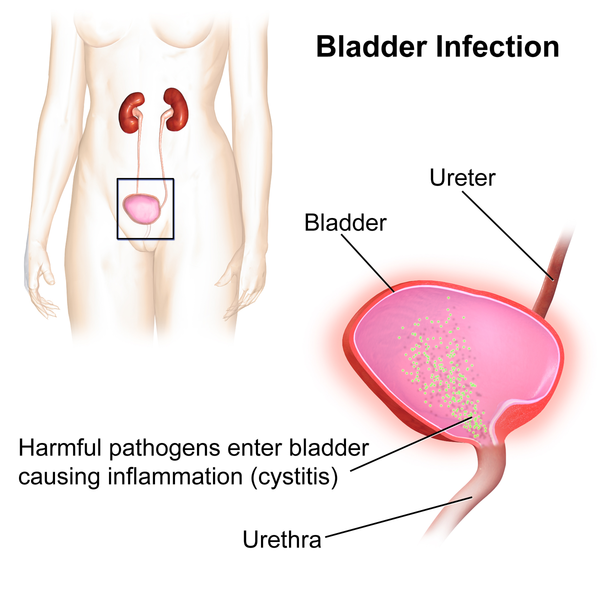
Cystitis is inflammation of the lining of the bladder, more frequent in women than men. It is a very distressing condition causing low abdominal pain, the constant or frequent desire to urinate, and sometimes burning pain on urination. It is most often caused by a bacterial infection, which is diagnosed by urine culture, and treated […]