
Herbs and Supplements for Uric Acid and Gout: Traditional Use and What the Evidence Says
Gout is a form of inflammatory arthritis caused by elevated uric acid levels leading to the formation of urate crystals in joints. These crystals can trigger sudden episodes of intense pain, swelling, redness, and heat, most commonly affecting the joint at the base of the large toe (the first metatarsophalangeal joint) but also other joints.
Across traditional medical systems and modern supplementation approaches, a wide range of herbs and nutrients have been used to address gout-like conditions. These approaches generally aim either to reduce pain and inflammation during acute attacks, or to reduce the underlying accumulation of uric acid over time.
Traditional Approaches to Gout and Uric Acid
Traditional Chinese Medicine Perspective
In Traditional Chinese Medicine, gout is not recognised as a single disease entity. Instead, it is usually understood under broader patterns such as:
- Damp-Heat Painful Obstruction
- Hot Painful Obstruction
- Phlegm and Blood stasis obstructing the channels
- Chronic Painful Obstruction with underlying deficiency
Acute flares are often interpreted as Damp-Heat or Heat-toxin obstructing the channels, while chronic disease may involve Phlegm, Blood stasis, and underlying deficiency of the Kidney and Spleen systems.
Commonly used herbs in this framework include:
- Water Plantain Rhizome (Alisma orientale) [Ze Xie] — traditionally used to drain Dampness and promote urination
- Chinese Sarsaparilla Rhizome (Smilax glabra) [Tu Fu Ling] — used for Damp-Heat, toxic accumulation, and joint swelling
- Job’s Tears Seed (Coix lacryma-jobi) [Yi Yi Ren] — used to resolve Dampness and support fluid metabolism
- Tokoro Yam Rhizome (Dioscorea tokoro) [Bi Xie] — traditionally used for turbid urinary and Damp disorders
These herbs are selected not for “uric acid reduction” in modern biochemical terms, but for their ability to resolve patterns of Dampness, Heat, and obstruction.
Ayurvedic Perspective (Guduchi)
In Ayurveda, gout-like conditions are often associated with imbalances involving inflammatory toxins and impaired metabolism.
A key herb in this system is:
- Guduchi / Giloy (Tinospora cordifolia) [Guduchi] — traditionally used for inflammatory, febrile, and metabolic disorders, with a reputation as a general “detoxifying” and immune-modulating herb
Western Herbal and Nutritional Traditions
Outside formal medical systems, several herbs and supplements have been traditionally used for joint pain, inflammation, or “uric acid cleansing,” including:
- Celery seed (Apium graveolens) — traditionally considered a “uric acid eliminator” and mild diuretic
- Nettle leaf (Urtica dioica) — used as a general diuretic and anti-inflammatory
- Devil’s claw (Harpagophytum procumbens) — used for joint pain and rheumatic conditions
- Willow bark (Salix species) — traditional analgesic and anti-inflammatory
- Turmeric (Curcuma longa) — widely used for inflammatory conditions
- Cleavers (Galium aparine) — traditionally used for lymphatic and urinary “cleansing”
- Green tea (Camellia sinensis) — used broadly for metabolic and antioxidant support
Nutritional Supplements and Functional Foods
Some foods and nutrients are also widely used in natural gout management approaches:
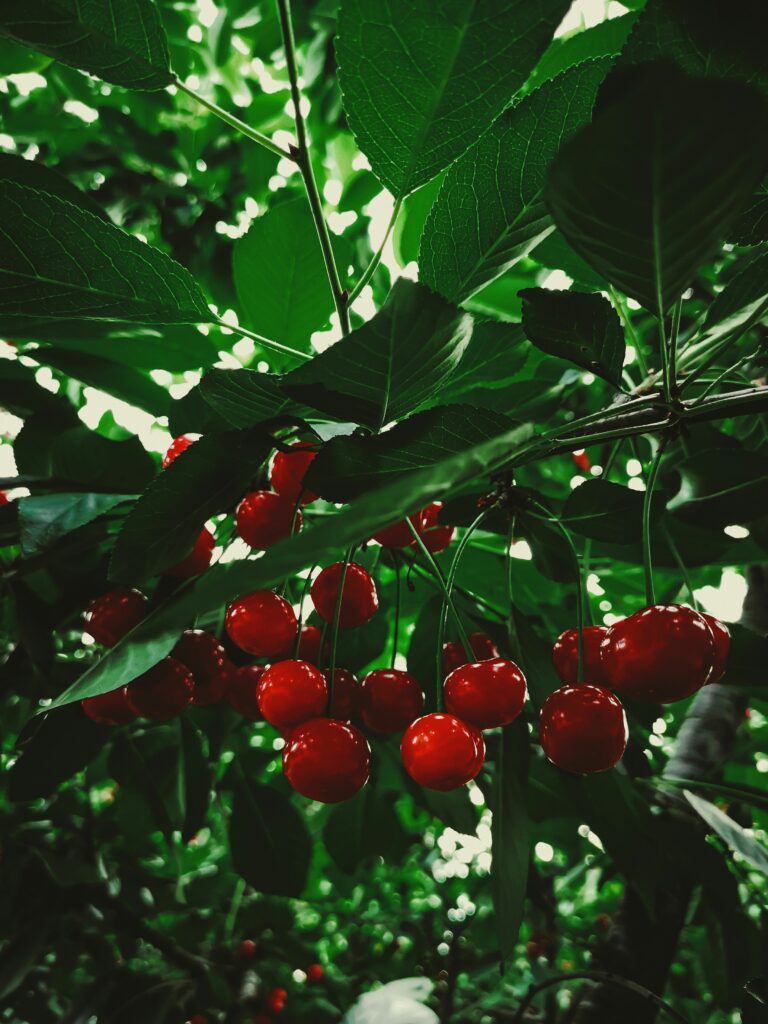
- Cherries and tart cherry products — traditionally used for joint pain and “uric acid cleansing”
- Vitamin C — used for general metabolic and immune support
- Coffee — increasingly recognised in dietary traditions as beneficial for metabolic health
- Quercetin — flavonoid supplement used for inflammation and vascular health
- Omega-3 fatty acids — used for systemic inflammation modulation
- Bromelain — enzyme derived from pineapple used for inflammatory conditions
What Does the Evidence Say?
While traditional use provides a wide range of hypotheses, modern clinical evidence is uneven and much narrower in scope.
It is important to distinguish between two outcomes:
- Lowering serum uric acid
- Reducing inflammation and symptoms during gout attacks
Many traditional remedies primarily influence inflammation rather than uric acid levels directly.
Strongest Evidence (Natural Interventions)
Cherries and Tart Cherry
Among all natural interventions, cherries have the most consistent human evidence.
Studies suggest:
- Reduced frequency of gout flares
- Possible modest reduction in uric acid levels
- Anti-inflammatory effects relevant to crystal-induced inflammation
This is currently the best-supported natural intervention for gout.
Vitamin C
Vitamin C has been shown in human studies to:
- Increase urinary excretion of uric acid
- Produce modest reductions in serum urate levels
However, the effect size is generally small and insufficient as a standalone therapy for significant hyperuricaemia.
Coffee
Large observational studies consistently show:
- Lower risk of developing gout among coffee drinkers
However:
- This is association-based evidence
- Mechanistic explanations remain uncertain
Moderate or Emerging Evidence
Quercetin
- Mechanistic evidence suggests inhibition of xanthine oxidase
- Small human trials suggest possible uric acid reduction
Evidence base is promising but limited.
Guduchi (Tinospora cordifolia)
- Animal studies show uric acid-lowering effects
- Limited human data suggest potential benefit
- Also shows anti-inflammatory activity relevant to gout
Evidence is preliminary but biologically plausible.
Green Tea (Camellia sinensis)
- Laboratory evidence for effects on uric acid metabolism
- Limited clinical evidence in humans
Likely modest effects at best.
Celery Seed (Apium graveolens)
- Strong traditional reputation for gout and “uric acid cleansing”
- Animal studies suggest possible xanthine oxidase inhibition
- Human evidence remains weak
Primarily Anti-inflammatory or Symptomatic Effects
These do not meaningfully lower uric acid but may help symptoms:
- Turmeric (Curcuma longa) — anti-inflammatory effects, little uric acid evidence
- Devil’s Claw (Harpagophytum procumbens) — pain relief in musculoskeletal conditions
- Willow Bark (Salix species) — analgesic and anti-inflammatory effects
- Omega-3 fatty acids — systemic inflammation modulation
- Bromelain — anti-inflammatory enzyme
Traditional-Use-Driven (Limited Evidence)
- Chinese Sarsaparilla Rhizome (Smilax glabra) [Tu Fu Ling]
- Water Plantain Rhizome (Alisma orientale) [Ze Xie]
- Job’s Tears Seed (Coix lacryma-jobi) [Yi Yi Ren]
- Tokoro Yam Rhizome (Dioscorea tokoro) [Bi Xie]
- Cleavers (Galium aparine)
- Nettle leaf (Urtica dioica)
These are primarily supported by traditional rationale and limited laboratory data, with minimal clinical evidence for uric acid reduction.
Key Clinical Perspective
Across both traditional systems and modern research, a clear pattern emerges:
- Only a small number of natural agents show meaningful human evidence for lowering uric acid (notably cherries and vitamin C)
- Many herbs act primarily through anti-inflammatory or diuretic pathways rather than directly affecting urate metabolism
- Traditional usage often reflects symptom patterns (pain, Dampness, inflammation) rather than biochemical uric acid targets
Conclusion
Natural approaches to gout can be divided into two broad categories:
- Uric acid-modulating interventions (limited but more clinically relevant for long-term management)
- Anti-inflammatory and symptomatic interventions (broader traditional base, useful for comfort but less direct effect on disease mechanism)
The strongest current evidence supports cherries, vitamin C, and coffee as the most consistent dietary or supplement-based interventions. Other herbs and supplements may provide supportive or symptomatic benefits but generally lack strong evidence for meaningful uric acid reduction.
In clinical practice, these approaches are best considered adjuncts rather than replacements for established gout management strategies when uric acid is significantly elevated or disease is recurrent.