Many people considering undertaking treatment with Chinese herbal medicine ask me what the cost will be. It is obviously a reasonable question, but the answer is not simple for a variety of reasons:
Chinese medicine rarely uses single herbs. The usual way they are used is in a mixture of between 4 and 18 herbs, which is termed a “formula”. If a formula can be purchased already mixed and that is suitable for the client, that is cheaper for the client than for me to buy each separate herb and make up the formula myself.
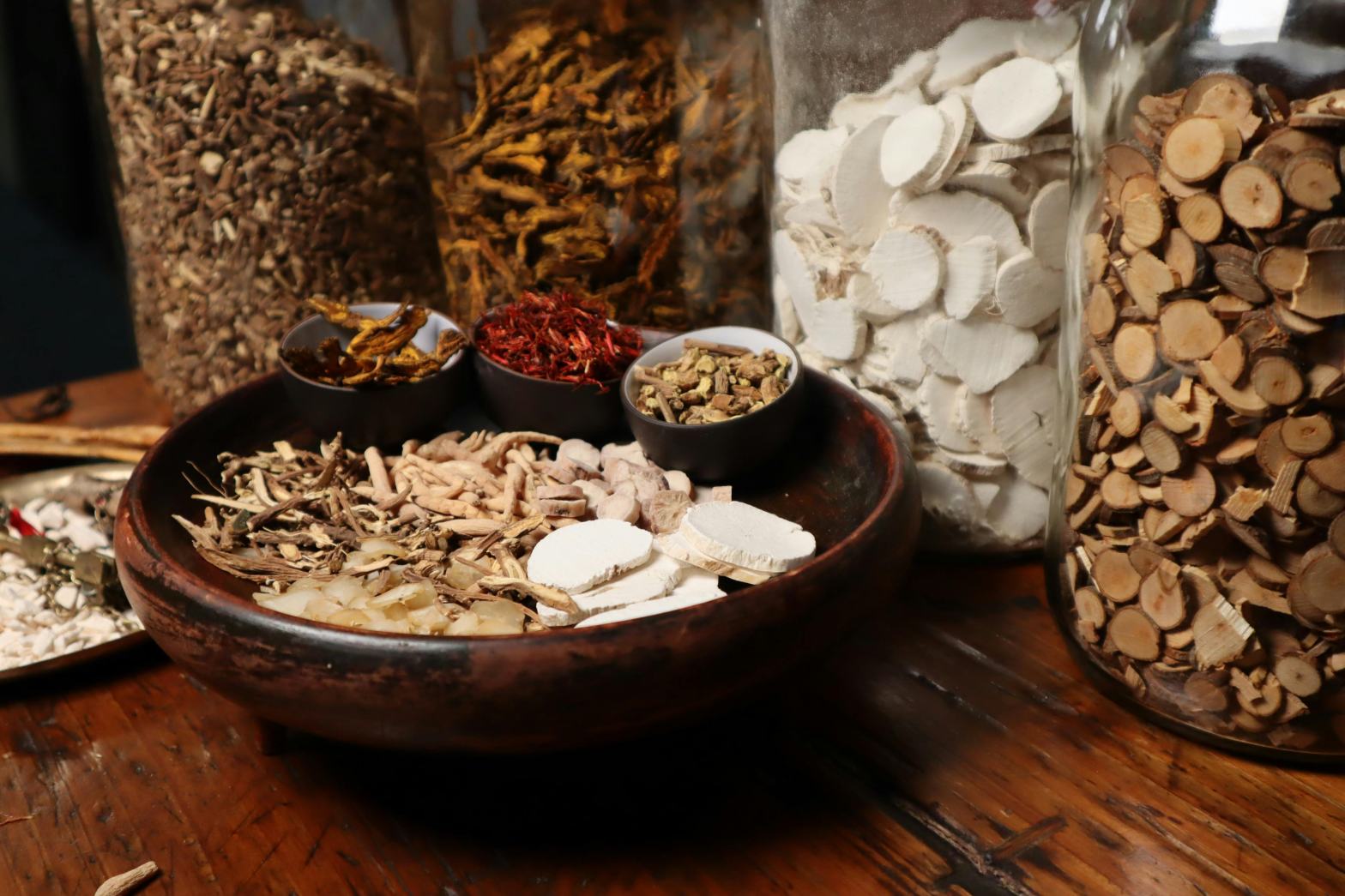
The herbs can come in different forms, such as dried herbs, pills or soluble granules, each with its own advantages, disadvantages and costs.
Herbs come in different quality grades, and obviously the best quality costs the most.
The evolution of the symptoms under treatment is not entirely predictable. We may have to continue longer than expected, we may have to modify the formula, we may have to stop, reconsider, and start with a different formula. It is not a case of, “Take this for a couple of weeks and you’ll be cured”.
There are other considerations apart from cost. Making a tea from the dried herbs is the traditional way of taking herbs, and hundreds or thousands of years experience has shown this way to be effective. However, in a busy life it might be considered laborious, as the herbs need to be weighed out accurately and boiled for up to an hour each day or each second day. On the other hand pills and granules are quick and easy to dispense and take. However, it is not always so easy to provide a personalised formula when using pills.
But back to cost. Let us consider the relatively uncomplicated case of a middle-aged patient who since a couple of months has been experiencing fatigue, decreased appetite, abdominal distension, gas, loose stools, loss of appetite, a feeling of heaviness and lethargy, a sticky feeling in the mouth and a cough with small amounts of white sputum.
This person’s symptoms point to a Chinese diagnosis of “Spleen Qi Deficiency with Wetness accumulating”. I could prescribe a formula of six herbs called “The Six Gentlemen”. It contains ginseng, licorice, aged tangerine peel, two other herbs called atractylodes and pinellia, and a fungus called poria. This will strengthen the digestion, improve energy levels and eliminate the phlegm and the cough. Let us say the person needs to take this for a month and that resolves the symptoms satisfactorily.
I have carried out detailed costings of five different options. The costings involve the cost of the herbs to me, shipping and my fee for providing the herbs as well as mixing and packing them for the client if that is necessary. The options considered for the costings were:
(A) Dried herbs purchased individually and mixed by me for the client.
(B) The dried herbs already mixed by the supplier. (Not always available).
(C) The formula ready-made and presented as concentrated extracts in pill form.
(D) Soluble granules of each separate herb mixed by me for the client.
(E) The formula ready-made and presented as soluble granules of concentrated extract. (Not always available.)
After costing out these options, I threw out option A as it is just too expensive. Having done that, I can tell you that as of September 2025, your outlay for the herbs in the case described would likely be between €140 and €270, depending on which form of the herbs were available.
I will always choose the most economical kind of good quality product that is suitable for the individual patient and that is available in the necessary time frame
Summer is the time of Fire, maximum Yang, the Heart and spirit (“Shen”), of joy and maximum vitality. But to stay healthy we must align with the seasons.
If summer’s heat and activity become overwhelming, signs of imbalance can appear:
• Anxiety, restlessness, poor sleep, insomnia.
• Palpitations.
• Excess sweating or feeling overheated.
• Heat exhaustion.
Quotes are from the classic text, the Huangdi Neijing:
“In the three months of summer, the qi of heaven and earth interact and the myriad things bloom and bear fruit.”
“In the three months of summer, there is an abundance of sunshine and rain. The heavenly energy descends, and the earthly energy rises. When these energies merge, there is intercourse between heaven and earth.”
“In the season of summer, the Heart governs; excessive heat and moisture lead to vexation, restlessness, and sweating. The wise harmonize with the season to avoid disease.”
“In summer, the Yang is flourishing. One should rise early, rest at noon, and go to bed late. The Heart is the ruler of summer; nourish it with serenity and avoid excessive anger.”
“In summer, the qi is vigorous, the blood is active. One should eat light and cooling foods, and avoid overeating, so as not to disturb the Heart and the Stomach.”
“When the sun is at its height, one should take advantage of the warmth to move, but also rest in shade. Excessive heat injures the Yin, and overexertion injures the Spirit.”
General guidelines from this text:
• Emotional Balance: Avoid anger and cultivate joy to prevent disturbances in the Heart.
• Dietary Adjustments: Hydrate sensibly. Consume light, cooling foods to counteract the heat and support digestion. (Caution: But don’t overdo cold foods if you have a weak digestion.)
• Appropriate Activity: Moderate physical activity during the cooler parts of the day, rest during peak heat.
• Adequate Rest: Align sleep patterns with the natural light cycle. Party in the evening, but ensure sufficient rest.
Enjoy life, connect with others, and make the most of high energy, but protect your Heart Qi!
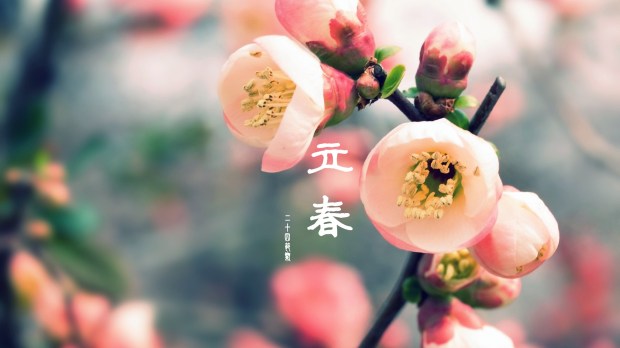
In Chinese medicine, the start of spring is based on the traditional Chinese solar calendar, which divides the year into 24 solar terms. The first solar term is called Lìchūn (立春), meaning “Beginning of Spring.” This marks the official start of spring in TCM and typically occurs around February 3rd or 4th, depending on the year. It is calculated based on the position of the sun. Lìchūn reflects a shift in energy from winter’s deep Yin (rest, stillness) to the gradual emergence of Yang energy (growth, renewal). It aligns with nature’s rhythms, where seeds begin to stir underground, animals awaken, and life starts to regenerate.
In the body springtime corresponds to the liver. In other words the energy (Qi) of the liver is both more active and more vulnerable in spring, and the flow and economy of the body’s energy (Qi) is particularly influenced by the liver at this time of year.
In Chinese medicine the Liver is responsible for several functions including regulating the smooth flow of Qi in the body, storing and regulating the supply of blood, supporting digestion, nourishing the ligaments and tendons, maintaining the health of the eyes, supporting and regulating the menstrual cycle.
Green is the colour associated in Chinese medicine with springtime and with the the liver. The green in plants is the pigment chlorophyll, an extraordinary molecule that uses sunlight as energy to transform carbon dioxide in the air to sugar and oxygen. Sugar provides energy for the plant’s growth, repair and metabolism. Chlorophyll contains magnesium, so green leafy vegetables are important sources of this mineral in our diet. Magnesium is essential for metabolism, much of which occurs in the liver, and this ties in with the liver’s function of regulating the flow of Qi in Chinese medicine.
According to Chinese medicine liver imbalances may give a range of symptoms depending on the kind of imbalance and the organs that are most affected by it because of your constitution or because of the specific circumstances at the time.
However, typical “liver symptoms” (what I call “liveriness”) include shoulder, neck tension and jaw tension, clenching or grinding the teeth at night, tension headaches, dizziness, an unpleasant feeling of heat inside or being too hot, intolerance of hot stuffy environments, premenstrual syndrome, menstrual pain and irregularities, irritability, quick temper, anxiety, depression, mood swings, rib pain that shifts, red and ichy eyes, eye issues in general. Liver imbalances can also manifest as poor digestion with discomfort and bloating, high blood pressure, high cholesterol, chronic skin problems, allergies, food intolerance and sensitivities, fatigue and lethargy.
But remember: don’t self-diagnose! Remember that although all of these are common liver symptoms, many of them may be caused by other kinds of imbalances too.See a qualified practitioner of Chinese medicine.
Here are six great herbs used by Western herbalists to support this vital organ. There are many others and each is unique in its characteristics and uses. Medical herbalists choose the right herbs to suit the individual person and condition.
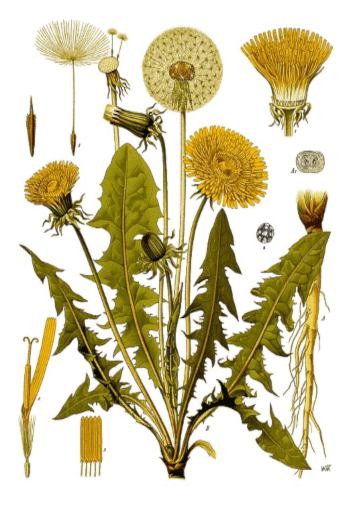
Dandelion: The root is used to support liver function, while the leaves are diuretic and a great addition to salads too!
Gentian: The root is very bitter and is a wonderful digestive stimulant.
Artichoke: The leaves, stem and roots are used in herbal medicine to improve digestion and reduce cholesterol.
Burdock: Burdock root is a general depurative working on the liver and kidneys to expel toxins.
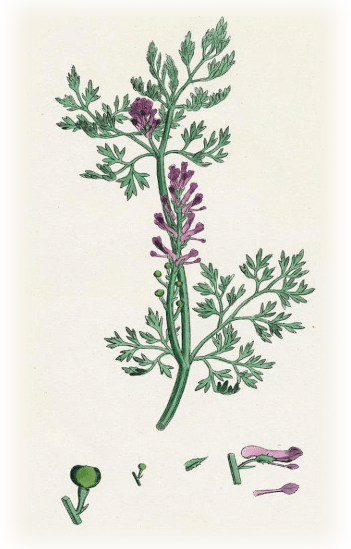
Fumitory: The above ground parts are used to treat issues arising from liver imbalances.
Milk Thistle: A liver tonic which protects the liver from toxins, including drugs used in cancer chemotherapy.
Traditional Chinese herbal medicine is great for liver imbalances! Traditional Chinese medicine never prescribes herbs singly, but in combination with other herbs that together make a balanced formula which treats a certain pattern of ill health. Over the past 3000 years a very large number of formulas have been developed in order to account for the many specific variations of the known disease patterns. Moreover, each formula can be varied by the practitioner by additions, subtractions, substitutions or modifications in the proportions of the different herbs.
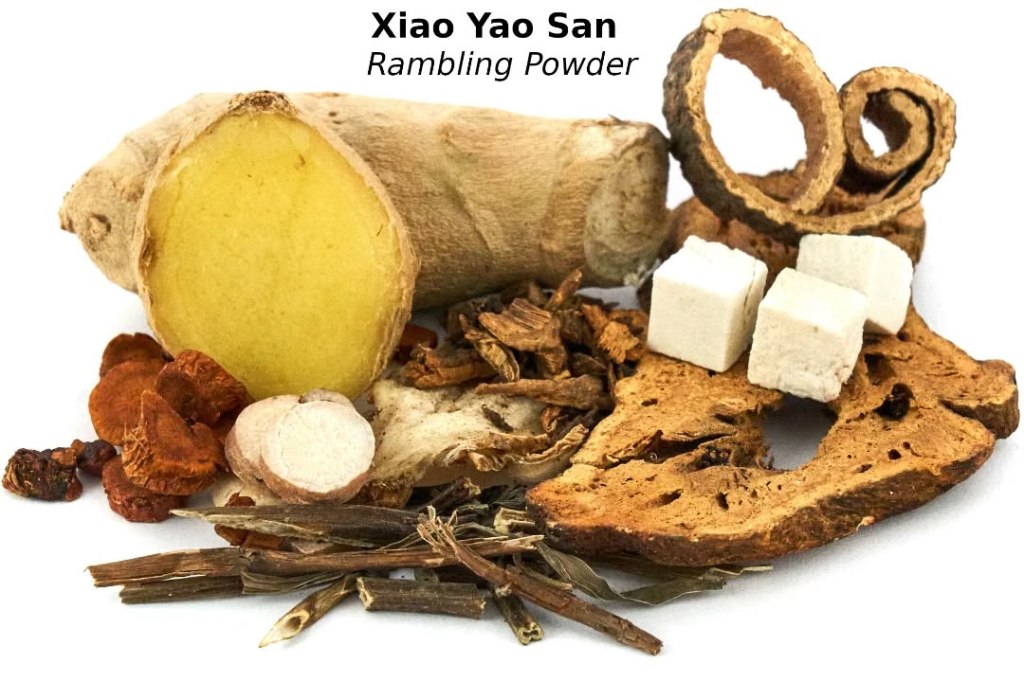
Here is an example. It is an eight-herb formula called Xiao Yao San, variously translated as “Rambling Powder”, “Leisure Powder”, “Free and Easy Wanderer Powder”. The formulas tend to have poetic names! But the names are appropriate. Xiao Yao San is the most commonly used formula for what Chinese medicine calls Liver Qi Stagnation, and treats patterns that include several of the following symptoms: Anger, irritability, frustration or depression; a general feeling of “stress”, tension or anxiety; distension, pressure, discomfort or pain in the chest, rib cage or upper abdomen; neck and shoulder tension; jaw tension, grinding of the teeth; distension, lumps or swellings in the breasts in women; premenstrual syndrome, dysmenorrhea; constipation and/or diarrhoea, bloating, gas, loss of appetite.
IMPORTANT: Never self-diagnose or self-prescribe Chinese herbal formulas!
With regard to lifestyle, the things listed below are generally beneficial to the liver.
Green Leafy Vegetables and Bitter Greens like kale, collards, chard, spinach, beet greens, bok choy, rucola, chicory, dandelion.
Sour Foods like sour dough rye bread, sauerkraut, pickles, tart apples, grapefruit, lemons. While these are generally tonifying to the liver in small quantities, in larger quantities they are harmful, especially in spring. (More on the seasonal aspect of diet below.)
Cooling Foods: Traditionally plums, watercress, celery, mung beans and tofu have been used to cool Liver Heat. However, in spring if there are no heat symptoms, mildly warming vegetables are indicated instead, to align with the seasons energies (see below).
Mindful Eating: Eat slowly, calmly, avoid eating when stressed.
Relaxation and de-stressing: Meditation, yoga, taichi, walking in nature, creative activities.
Physical Exercise: Sport, gym, hiking, etc.
Stretching: A regular muscle stretching routine.
Sleep: Adequate regular restful sleep.
And these are things that may harm the Liver:
Chronic stress and supressed or repressed emotion: tension, frustration, resentment, anger
Poor diet: excess fatty or spicy foods
Drugs: alcohol, caffeine, recreational drugs, many pharmaceuticals.
Poor sleep: shallow or broken sleep, frequently waking during night
Sedentary lifestyle: lack of physical activity, too much sitting.
Toxins: environmental pollutants and work-related toxins e.g. varnishes, solvents.
Overwork: physical or mental strain.
Wind: exposure to strong wind for too long can agitate liver Qi (energy), while cold wind can disrupt ts proper movement.
Of course this has to be interpreted with common sense. Moderate alcohol or coffee consumption isn’t going to kill you. Brief exposure to a brisk wind may be energising rather than harmful. Pharmaceuticals are not the work of the devil, and taking them is always a balance between risks and benefits.
In spring when the Qi energy of the liver is most active, we need to support it by being especially kind to our livers! So far as diet is concerned, one of the oldest texts on Chinese medicine, The Yellow Emperor’s Inner Canon: Basic Questions (The Huangdi Neijing Suwen) recommends aligning the diet with the seasons. In the spring eat foods that support the free flow of Qi and the upward, outward movement of energy characteristic of the season: light, fresh, and mildly warm foods (e.g., young greens, sprouts, leeks), especially those with sweet and slightly acrid flavors (e.g., carrots, fennel, ginger). Young greens and sprouts align perfectly with the upward, outward movement of spring. Avoid heavy, greasy, and overly salty foods, which can stagnate the rising energy of spring.
For good overall health, make sure you are kind to your liver in Springtime!
[The images used in this article are royalty-free.]






 Robert Hale Herbalist