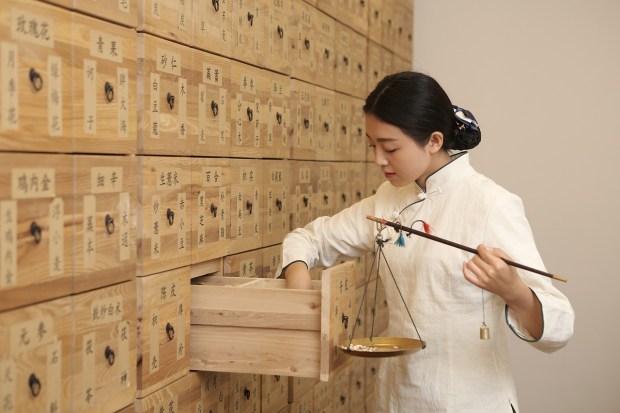
Chinese herbal medicine is the main pillar of my herbal practice. Using plants as medicine is a fundamental part of Traditional Chinese Medicine (TCM), which also incorporates acupuncture massage and allied methods. Over its 4000+ years’ history, TCM has developed an extremely sophisticated way of matching plants and plant combinations with the people and conditions to be treated.
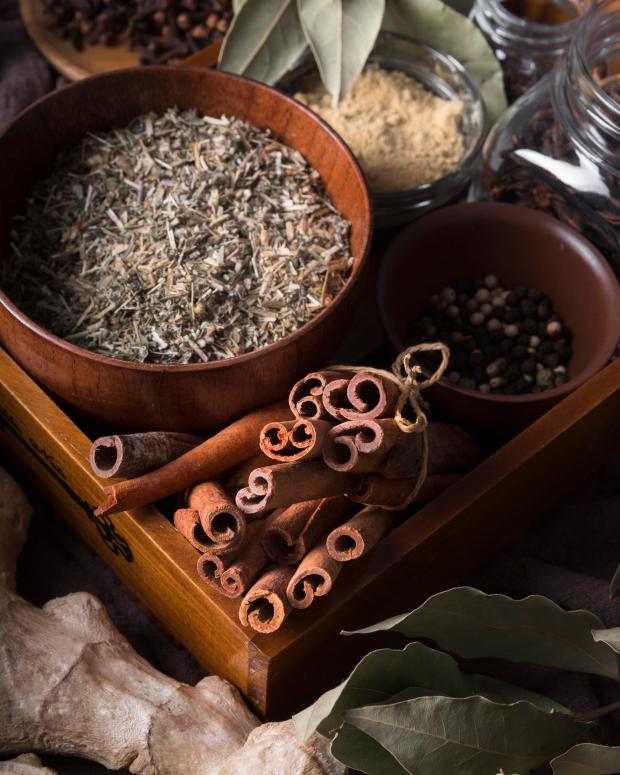
About Chinese Herbal Medicine
In TCM plant medicines are used holistically in accordance with its overarching theories of Yin and Yang, the Five Elements, the ZangFu (organ systems), the Eight Principles and the Six Evils (Wind, Cold, Heat, Dryness, Damp and Summer Heat).
In TCM illnesses are described in terms of patterns of symptoms and the underlying imbalances affecting the organ systems. Examples might be Spleen and Lung Dampness, or Kidney Yang Deficiency.
Herbs are rarely given as single herbs but in combination of several herbs in what we call a “formula”. Hundreds of formulas have been developed to address all of the recognised patterns of illness. Nevertheless, no individual person is the same as another, so no individual’s illness is exactly like another’s. For this reason we often have to adapt the selected formula to the person and the illness presenting to us at that specific time.
When treated with herbs the symptoms of illness may change before resolving. Therefore, we have to monitor progress and perhaps modify the formula to address the changing pattern of the illness. Especially for chronic conditions, it is a process, not a one-shot exercise.
To be effective, herbal treatment must go alongside attention to dietary and lifestyle influences on your health. This is part of the treatment you receive, not an optional extra either for the practitioner or the patient!
East-West Herbalism
This refers to the practice of combining the wisdom of Chinese medicine with the use of Western plants, preferably those that are found in the region where one lives. This makes sound ecological, practical, health and holistic sense. Chinese herbs have to be transported half way around the world, with all the pressure on the environment that this involves, and many of them are not readily or quickly available in all locations. Whether Western or Chinese herbs are used, or indeed a combination of both, is decided on a case by case basis, but always with the best solution for the individual patient foremost in mind.
Can Chinese Herbalism Help You?
Herbs, alongside acupuncture and allied methods constituted medicine in China up until the 20th century and are still a large component of the medical system in that country. During the several millennia of its use in China, herbal medicine has been used to treat all the diseases known to humankind. That is not to say it could substitute modern medicine for serious diseases – it could not – but it can certainly act as a standalone treatment for many common ailments, and it is difficult to think of cases in which it could not usefully contribute to some degree.
My special focus is on:
- Musculoskeletal health.
- Muscle, joint and nerve pain.
- Rheumatic conditions.
- Pain in general.
- Neurology.
- Stress, mood disorders and the relationship between psychology and health.
However, I will consider other kinds of complaints.
There is a lot of solid science supporting Chinese herbal medicine, and I will always consult the latest science before deciding whether to take on a case.
Fill in the form to find out if Chinese herbal medicine can help you!


 Robert Hale Herbalist