
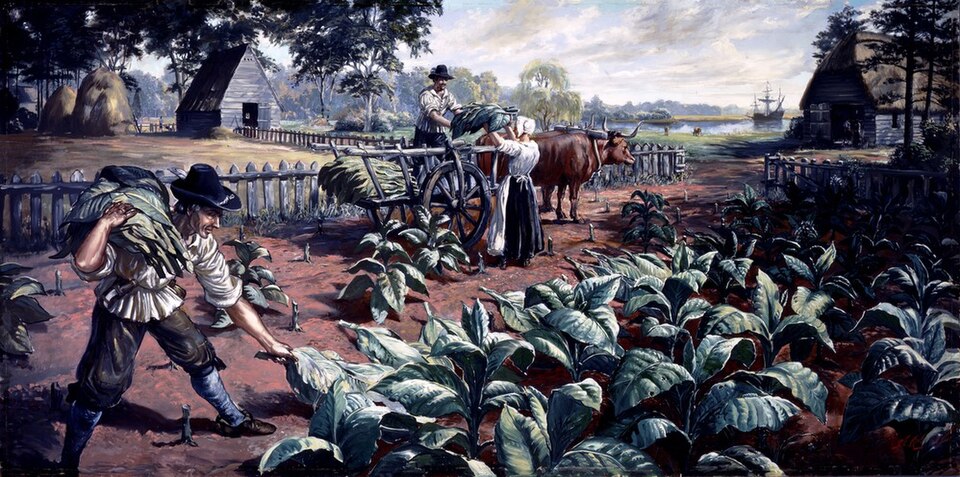
Tobacco began as a sacred and medicinal plant in the Americas, used by Indigenous peoples for ritual, healing, and social purposes long before it became a global commercial product. Over time, however, this once-respected herb was transformed into one of the deadliest consumer goods in history.
A plant with deep roots
For thousands of years, tobacco was not just something to smoke. Indigenous communities used it in ceremonies, offerings, healing practices, and other culturally specific traditions. It was commonly smoked in pipes, but it could also be chewed, used as snuff, or prepared in other ways depending on the community and purpose.
In many Indigenous traditions, tobacco was treated with care and intention. It was often considered a plant with spiritual significance as well as practical medicinal value. That is very different from the way cigarettes are used today, quickly and repeatedly, often out of habit or dependence.
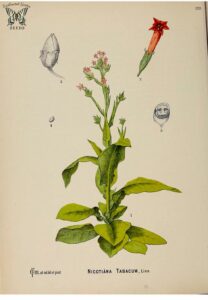
From medicine to commodity
The change began after European contact. Tobacco moved out of Indigenous ceremonial systems and into colonial trade, plantation agriculture, and later mass marketing. Once commercial producers learned how to process and sell it on a huge scale, tobacco became a global commodity rather than a culturally bounded medicine.
The cigarette was especially important in this transformation. It made tobacco easy to carry, easy to consume, and easy to use often. That convenience helped create widespread dependence, while industrial production made nicotine delivery more efficient than in many traditional forms.
The health myth
For a long time, tobacco was also marketed as healthful. Cigarettes were sometimes promoted as calming, soothing, or even helpful for coughs and throat irritation. In the early and mid-20th century, it was not unusual to see smoking described in positive medical language.
Those claims were not based on solid evidence. They were part of a powerful advertising system that normalized smoking and delayed public awareness of its harm. As scientific evidence accumulated, the true risks became harder to deny.
The cost
Today, tobacco smoking causes millions of deaths every year worldwide. It is linked to cancer, heart disease, stroke, chronic lung disease, and many other serious conditions. What began as a traditional plant with ceremonial and medicinal value was turned into a major cause of preventable death.
This history matters because it shows how a plant’s meaning can be radically changed by context. In Indigenous settings, tobacco could be sacred medicine. In the modern cigarette economy, it became a product engineered for addiction and repeated use.
The larger lesson
Tobacco’s story is a warning. Traditional plant knowledge can be stripped of its cultural limits and turned into something harmful when commercial interests take over. Respectful, bounded, and culturally grounded use is not the same as mass-produced addictive consumption.
That is why tobacco stands out as one of the clearest examples of a traditional herbal medicine gone horribly wrong.